
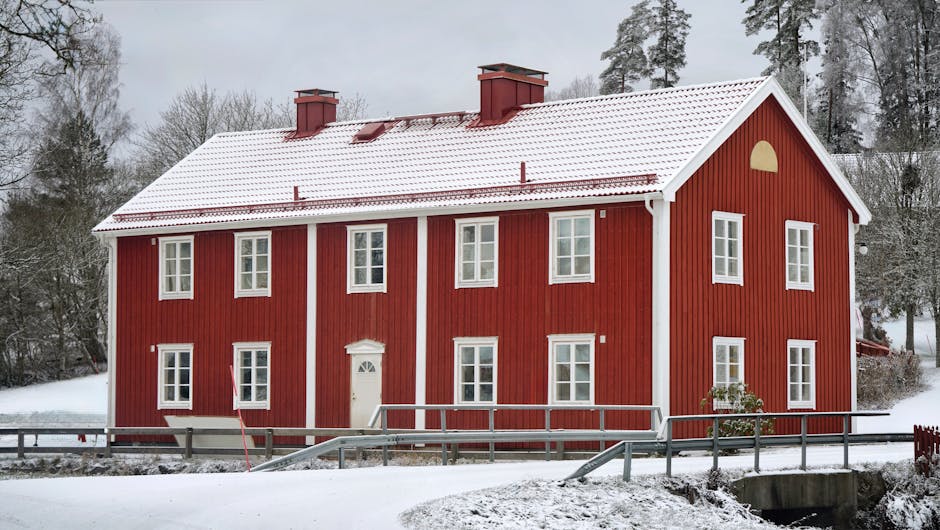
If you've lived in the Rochester or Buffalo area for more than a couple of years, you already know that our winters don't hold back. Between the lake-effect snow, the freeze-thaw cycles, and the bone-dry air indoors, paint takes a real beating from about November through March. What a lot of homeowners don't realize is that the damage often starts well before you actually see it. By the time you notice peeling, cracking, or bubbling, the underlying issue has usually been building for a while.
The good news is that understanding how winter affects paint gives you a head start on protecting your home. And with the right prep work, product choices, and timing, you can get years of extra life out of a quality paint job. Let's break down what's really happening to your paint during a Western New York winter and what you can do about each problem.
The Freeze-Thaw Cycle: Paint's Worst Enemy
This is the big one. In Rochester, Buffalo, and the surrounding towns, we don't just get cold and stay cold. We bounce back and forth. A 45-degree day in January followed by a 10-degree night is completely normal around here. That kind of temperature swing is brutal on exterior paint.
Here's what happens at the material level. When temperatures drop, your siding, trim, and the paint film itself all contract. When things warm up again, they expand. Wood, vinyl, aluminum, and paint all expand and contract at slightly different rates. Over dozens of these cycles each winter, the bond between the paint and the substrate gets stressed repeatedly. Micro-cracks form in the paint film. Moisture seeps into those tiny cracks and freezes, expanding them further. Eventually you get visible cracking, flaking, and peeling.
This is especially common on south-facing and west-facing walls, where direct winter sun can warm the surface dramatically during the day before temperatures plummet at night. If you've noticed that one side of your house always seems to peel first, this is usually why.
What you can do about freeze-thaw damage
- Choose high-quality, flexible exterior paints. Premium acrylic latex paints have more elasticity than cheaper alternatives. They can stretch and contract with the substrate rather than cracking. This is one area where spending more on paint genuinely pays off.
- Don't skip primer. A good bonding primer creates a strong foundation that helps the topcoat resist the constant pulling and pushing of temperature changes. On bare wood or previously peeling surfaces, primer is non-negotiable.
- Address peeling early. If you see small areas starting to flake, don't wait until the whole wall looks rough. Scraping, priming, and touching up a small section in the fall is a lot cheaper than repainting an entire side of the house later. If you need help with exterior painting in the Brighton area, getting it done before winter sets in makes a real difference.
Moisture and Ice: The Hidden Threats
Snow piling up against your foundation and lower siding. Ice dams forming along the roofline. Meltwater running down walls during a midwinter thaw. All of these push moisture into places it doesn't belong, and moisture behind paint is one of the fastest ways to cause failure.
When water gets behind the paint film, it can cause bubbling and blistering as it tries to escape. In freezing temperatures, trapped moisture expands and physically pushes the paint away from the surface. You'll often see this on trim boards near the roofline, around window frames, and on the lower portions of exterior walls where snow accumulates.
Ice dams deserve special attention. When heat escapes through your attic, it melts snow on the roof. That water runs down to the colder eaves, refreezes, and backs up under shingles. The water can work its way into soffits and fascia, damaging both the wood and the paint. Homes in communities around the Finger Lakes and throughout the Genesee Valley are especially prone to this because of heavy lake-effect snowfall. Whether you own a home that needs exterior work in Irondequoit or exterior painting near Canandaigua, moisture management should be part of the conversation.
What you can do about moisture damage
- Keep snow cleared away from your siding. After heavy snowfalls, brush snow away from the base of your home. This simple habit reduces the amount of moisture your lower walls absorb.
- Maintain your gutters and downspouts. Clean gutters help prevent ice dams and keep meltwater directed away from your walls and foundation.
- Caulk and seal before winter. Check around windows, doors, and any joints in your trim. Cracked or missing caulk is an open invitation for water to get behind your paint. A tube of quality exterior caulk costs a few dollars and can prevent hundreds of dollars in paint damage.
- Consider a moisture-resistant primer on surfaces that are particularly exposed. There are primers specifically formulated to block moisture migration, and they're a smart investment on any surface that regularly takes a beating from snow and ice.
Road Salt and De-Icing Chemicals
This one catches people off guard. If your home sits close to the street, road salt spray from passing plows can reach your siding, foundation, porch railings, and front steps. Salt is corrosive. On metal surfaces like railings and gutters, it accelerates rust and breaks down paint quickly. On wood and masonry, it draws moisture and leaves white, crusty deposits that can work their way under the paint film.
Homes along busy roads in towns like Henrietta, Penfield, and Webster tend to see this more than homes set back on quiet side streets. If you notice a white, chalky residue on your lower walls or foundation in the spring, that's salt residue.
What you can do about salt damage
- Rinse your exterior in early spring. As soon as temperatures are consistently above freezing, give the lower portions of your home a good rinse with a garden hose. You don't need a pressure washer for this. Just remove the salt before it sits there all summer doing more damage.
- Use rust-inhibiting primers on metal surfaces. If you're repainting railings, metal trim, or gutters, a rust-inhibiting primer adds real protection.
- Touch up chips promptly. Salt damage often starts at small chips or scratches where the bare material is exposed. A quick touch-up in the spring can stop the problem from spreading.
Winter doesn't just affect your home's exterior. The inside of your house goes through its own set of challenges during the cold months, and they can show up on your walls and ceilings.
Dry air and cracking
When your furnace runs constantly, indoor humidity can drop to 15 to 20 percent. That's drier than most deserts. At those levels, wood trim, door frames, and window casings shrink noticeably. This shrinkage pulls paint apart at joints and corners, creating hairline cracks. Drywall can also shift slightly in very dry conditions, leading to cracks along seams and at stress points around door frames.
If you have rooms where you notice recurring cracks every winter, low humidity is almost certainly a factor. A whole-house humidifier can help, and so can keeping interior doors open to improve air circulation.
Condensation on windows and walls
On the flip side, some rooms collect too much moisture. Bathrooms, kitchens, and poorly ventilated bedrooms can develop condensation on cold exterior walls and around windows. Over time, this moisture can cause paint to bubble, peel, or develop mold and mildew underneath. If you see dark spots or soft, bubbled areas near windows, condensation is usually the culprit.
Using exhaust fans, improving ventilation, and applying mold-resistant paints in high-moisture rooms all help. If your interior walls in Webster or anywhere else in the area are showing these signs, it's worth addressing both the ventilation issue and the paint at the same time.
Why winter is actually a great time for interior painting
Here's something many homeowners don't consider: winter is an excellent time to tackle residential interior painting projects. You're already spending more time indoors. The windows are closed, which means less dust blowing around during the job. And professional painters typically have more availability during the winter months, which can mean more flexible scheduling.
If you've been thinking about refreshing your living room, repainting a bedroom, or finally updating that outdated wallpaper, the colder months are a smart time to get it done. We handle interior painting throughout the Buffalo area and across Western New York all winter long.
Timing Your Exterior Paint Job Right
One of the best things you can do to protect your home from winter paint damage is to make sure your exterior paint job happens at the right time and with proper preparation. In our climate, the ideal window for exterior painting is roughly late April through mid-October, depending on the year. Temperatures need to be consistently above 50 degrees (for most latex paints) during application and for several hours afterward while the paint cures.
A paint job done in September with proper prep will hold up dramatically better through winter than one done hastily in late October when nighttime temps are already dipping into the 30s. Paint that doesn't cure fully before cold weather hits is much more susceptible to cracking and peeling during the first freeze-thaw cycles.
Planning ahead matters. If you know your home's exterior is due for repainting, spring is the time to start getting estimates so the work can be scheduled during the best weather window. Whether you're looking at refreshing your home's exterior in Pittsford or anywhere else in the region, getting on a painter's schedule early in the season gives you the best results.
A Seasonal Maintenance Checklist for WNY Homeowners
Keeping your paint in good shape through our tough winters doesn't require a huge effort. It just requires a little consistency. Here's a simple seasonal checklist:
Fall (before winter hits)
- Walk around your home and inspect all painted surfaces for chips, cracks, and peeling
- Touch up small areas of damage on exterior surfaces
- Caulk any gaps around windows, doors, and trim
- Clean gutters and make sure downspouts are directing water away from the house
- Check weatherstripping on doors and windows
Winter
- Keep snow brushed away from siding and foundation
- Monitor indoor humidity and use a humidifier if levels drop below 30 percent
- Use exhaust fans in kitchens and bathrooms to control condensation
- Note any areas of interior cracking or peeling so you can address them in spring
Spring (after the thaw)
- Rinse salt residue from lower walls, foundation, railings, and steps
- Inspect for any new winter damage on all painted surfaces
- Schedule any needed exterior painting or touch-up work before the busy season fills up
- Address any interior paint issues that developed over the winter
When It's Time to Call a Professional
Some winter paint damage is minor and easy to handle yourself. A few small chips, a hairline crack in the trim, a touch-up here and there. But when peeling covers large areas, when you see signs of moisture damage behind the paint, or when the wood underneath is soft or rotting, it's time to bring in someone who does this every day.
Proper surface preparation is the single biggest factor in how long a paint job lasts, and it's the step that separates a professional result from a DIY one. Scraping, sanding, priming, repairing damaged substrate, and choosing the right products for our specific climate all make a real difference. A professional crew working on an exterior project in Fairport will handle all of that prep work as part of the job.
Let MLZ Painting Help You Stay Ahead of Winter Damage
At MLZ Glass, Painting, and Wallcoverings, we've been helping homeowners across Western New York protect and maintain their homes through our notoriously tough winters. We know what works in this climate because we live and work here. From full exterior repaints to interior refreshes, wallcovering installations, and everything in between, we're here to help your home look great and hold up to whatever our weather throws at it.
If you've noticed winter damage on your home's paint, or if you want to get ahead of problems before next winter, give MLZ Painting a call at (585) 362-2190 for a free estimate. We serve Rochester, Buffalo, and communities throughout the WNY region, and we'd be happy to take a look at what your home needs.

Contact Us
Ready to Transform Your Space? Get a Free Estimate Today
Thinking about a new color? Planning a full repaint? We'd love to discuss your project and provide a free, no-obligation estimate.