
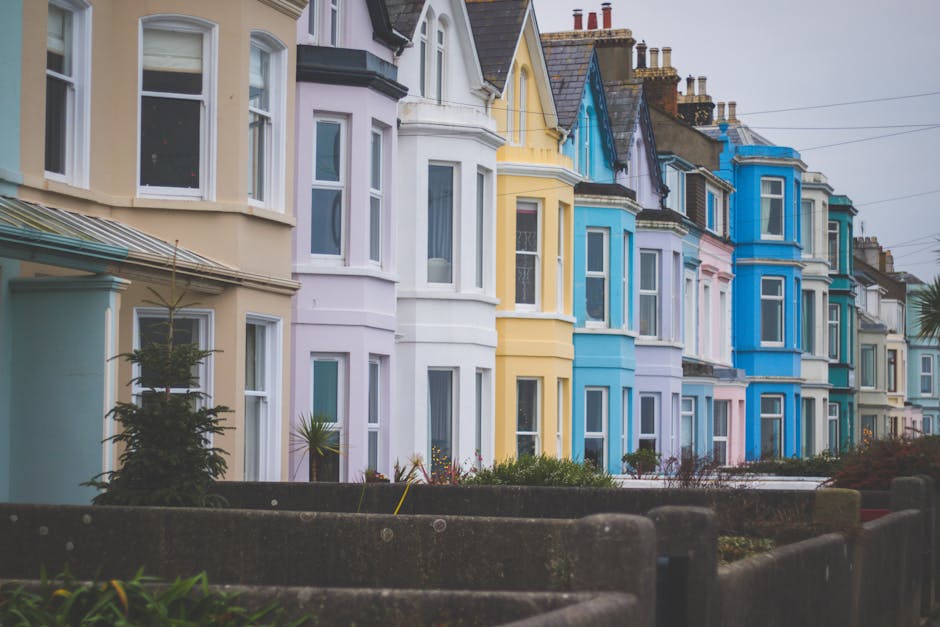
If you own a home in Western New York, you already know the weather doesn't go easy on anything. Your roof, your driveway, your deck, and yes, your exterior paint all take a beating year after year. So when you invest in a fresh coat of paint for the outside of your house, you probably want to know: how long is this actually going to last?
The honest answer is that it depends. Exterior paint can last anywhere from 5 to 15 years, and where your home falls in that range comes down to several factors. Let's break down what really determines the lifespan of an exterior paint job here in New York, what warning signs to watch for, and how to get the most out of your investment.
The General Lifespan of Exterior Paint by Surface
Different materials hold paint differently. Here's a realistic breakdown of how long you can expect exterior paint to last on common siding types found on homes across Rochester, Buffalo, and the surrounding area:
- Wood siding: 3 to 7 years, sometimes up to 10 with premium paint and thorough prep work. Wood expands and contracts with temperature swings, which causes paint to crack and peel faster than on other surfaces.
- Aluminum siding: 5 to 10 years. Aluminum holds paint reasonably well, but chalking (a powdery residue on the surface) is a common issue over time.
- Vinyl siding: Vinyl is often not painted, but if it has been, expect 5 to 10 years depending on the paint used. It's important to use paint formulated specifically for vinyl, since the material expands significantly in heat.
- Stucco: 5 to 6 years on average, though elastomeric coatings can push that closer to 10.
- Brick: 15 to 20 years. Brick is one of the most durable surfaces for paint adhesion, though it does require proper priming.
- Cement fiberboard (e.g., HardiePlank): 10 to 15 years. This is one of the best-performing surfaces for long-lasting exterior paint.
These numbers assume a quality paint job with proper surface preparation. Cut corners on prep, and you can easily shave years off those estimates.
Why Exterior Paint Fails Faster in Western New York
If you've ever driven through neighborhoods in the Rochester or Buffalo area and noticed peeling, fading, or cracking paint on homes that don't look all that old, there's a reason. Our climate is uniquely hard on exterior coatings. Here's why:
Freeze-Thaw Cycles
Western New York doesn't just get cold. It gets cold, then warms up, then freezes again, sometimes within the same week. Every time moisture gets into tiny cracks in your paint film and then freezes, it expands. That expansion forces the crack open a little wider. Over dozens of freeze-thaw cycles each winter, small imperfections turn into visible peeling and flaking. This is especially brutal on wood siding, trim, and window frames.
Lake Effect Moisture
Living near Lake Ontario and Lake Erie means our air carries more moisture than many inland areas. That constant humidity, combined with heavy snowfall and rain, keeps exterior surfaces damp for extended periods. Moisture is the number one enemy of paint adhesion. Homes on the north or east-facing sides, where they get less direct sunlight to dry things out, tend to show paint failure first.
UV Exposure in Summer
While our winters get most of the attention, Western New York summers bring strong UV rays that break down the chemical bonds in paint over time. Darker colors absorb more UV energy and tend to fade faster than lighter shades. South-facing and west-facing walls typically show fading and chalking sooner than other sides of the house.
Temperature Extremes
It's not unusual for us to see temperatures below zero in January and above 90 in July. That's a swing of nearly 100 degrees. Siding materials expand and contract with these temperature changes, and paint has to flex along with them. Lower-quality paints become brittle and crack under this stress. Higher-quality, more flexible coatings handle it much better.
What Makes the Difference Between 5 Years and 15 Years
When homeowners ask us why some paint jobs last so much longer than others, the answer almost always comes down to three things: preparation, paint quality, and application technique. Let's look at each one.
Surface Preparation
This is the single biggest factor, and it's where many DIY jobs and budget contractors fall short. Proper prep for an exterior paint job in WNY includes:
- Power washing to remove dirt, mildew, and loose paint
- Scraping any remaining peeling or flaking paint down to a sound surface
- Sanding rough edges where old paint meets bare wood or siding
- Priming bare spots and any areas with stains, knots, or repairs
- Caulking gaps around windows, doors, trim, and joints to prevent moisture intrusion
- Repairing damaged wood, rotted trim, or cracked siding before painting over it
Skipping any of these steps means the new paint is going on over a compromised surface. It might look great for a summer or two, but it won't hold up. Whether you're getting exterior painting done in Lima or anywhere else in the region, the prep work is what separates a paint job that lasts from one that doesn't.
Paint Quality
Not all exterior paints are created equal. Premium paints from manufacturers like Benjamin Moore, Sherwin-Williams, and PPG contain higher concentrations of resins and pigments, which translates to better adhesion, flexibility, color retention, and mildew resistance. Here's a general rule of thumb:
- Budget paints ($20-30/gallon): May last 3 to 5 years in our climate
- Mid-range paints ($35-50/gallon): Typically last 5 to 8 years
- Premium paints ($50-75+/gallon): Can last 8 to 15 years with proper application
The cost difference per gallon might seem significant, but when you factor in the labor cost of repainting sooner, premium paint almost always pays for itself. A good contractor will recommend the right product for your specific siding material and exposure conditions.
Application Technique
Even with perfect prep and premium paint, the application method matters. Two full coats are standard for any quality exterior job. Applying paint too thin, painting in direct sunlight, painting when it's too cold or too humid, or failing to back-brush sprayed paint into the surface texture can all lead to premature failure. This is one area where professional experience makes a real difference, especially for homeowners in areas like Buffalo and Victor where conditions vary from neighborhood to neighborhood.
Warning Signs Your Exterior Paint Is Failing
You don't need to wait until paint is visibly peeling off in sheets to know it's time for a repaint. Here are the early warning signs to watch for on your WNY home:
- Chalking: Run your hand across the siding. If it comes away with a powdery residue, the paint's binders are breaking down.
- Fading: Significant color loss, especially on south and west-facing walls, means UV damage is advanced.
- Cracking or checking: Small cracks in the paint film, sometimes in a pattern that looks like alligator skin, mean the coating has lost its flexibility.
- Peeling or flaking: This is the most obvious sign. Once paint starts lifting from the surface, moisture is getting underneath and the problem will only accelerate.
- Bubbling or blistering: Usually caused by moisture trapped behind the paint film, often from inadequate prep or a moisture problem inside the wall.
- Mildew or dark staining: Common on north-facing walls and areas with poor air circulation. Mildew grows on and under the paint surface and indicates the coating's mildew resistance has been exhausted.
- Bare wood showing: If you can see raw wood through the paint, you've already passed the point where touch-ups will be enough. A full repaint is needed before moisture damage sets in.
If you're seeing any of these issues on your home in Brighton, Penfield, or anywhere else in the Rochester area, it's worth getting an assessment sooner rather than later. Catching paint failure early can save you money on wood repairs and prevent more extensive damage.
How to Make Your Exterior Paint Last Longer
Once you've invested in a quality exterior paint job, there are practical things you can do to extend its life:
Keep Vegetation Trimmed
Bushes, vines, and tree branches that touch or hang over your siding trap moisture against the surface and block airflow. Keep at least 6 to 12 inches of clearance between plants and your home's exterior.
Clean Your Siding Annually
A gentle wash with a garden hose and a soft brush, or a low-pressure rinse, removes dirt, pollen, and mildew before they can degrade the paint. You don't need to power wash every year. In fact, aggressive power washing can damage paint. A light cleaning goes a long way.
Address Moisture Problems
Make sure your gutters are clear and directing water away from the house. Check that downspouts aren't dumping water against the foundation or splashing onto siding. Repair any leaks in the roof or around windows promptly. Moisture behind the walls is one of the most common reasons exterior paint fails prematurely.
Touch Up Problem Areas Early
If you notice a small area of peeling or cracking, especially around trim, window frames, or areas exposed to heavy weather, address it quickly. A small touch-up now can prevent a much larger problem next year. Keep some leftover paint from your original job for exactly this purpose.
Choose Colors Wisely
Darker colors fade faster than lighter ones, particularly on sun-exposed walls. If you love a bold exterior color, consider using it as an accent on doors and shutters rather than across the entire house. Lighter main body colors tend to look fresh longer in our climate.
What About Trim, Doors, and Other Details?
It's worth noting that not every part of your home's exterior wears at the same rate. Trim, soffits, fascia, window frames, and doors are often the first areas to show paint failure because they're smaller surfaces that take direct hits from rain, snow, and ice.
In many cases, you can extend the life of a full repaint by addressing just the trim and detail work in between full exterior jobs. If your siding still looks good but the trim is peeling, a targeted trim repaint is a smart, cost-effective move. Many homeowners in Pittsford and Fairport find that a trim refresh at the 5-year mark helps push the full repaint out to 10 or 12 years.
DIY vs. Professional: Does It Really Matter?
Plenty of homeowners tackle exterior painting themselves, and for a small ranch or a single-story home, it can be a manageable project. But there are real reasons why professionally painted homes tend to last longer:
- Professional crews have the equipment to reach and properly prep every surface, including high peaks, dormers, and soffits.
- Experienced painters know how to adjust technique for weather conditions, which is critical during WNY's unpredictable spring and fall seasons.
- A pro will spot underlying problems like wood rot, moisture intrusion, or failing caulk that a homeowner might paint over without realizing.
- Spray-and-back-brush techniques used by professionals achieve a more even, durable film thickness than brush or roller alone.
If you're weighing the options, think about it this way: the labor is the most expensive part of any paint job. If cheaper application means you're repainting in 4 years instead of 10, the "savings" of doing it yourself can disappear quickly.
When Is the Best Time to Paint Exterior in WNY?
Timing matters more than many people realize. Exterior paint needs specific conditions to cure properly:
- Temperatures between 50°F and 85°F (some premium paints can go as low as 35°F)
- Low humidity, ideally below 70%
- No rain in the forecast for at least 24 to 48 hours after application
- Surfaces that are dry and free of morning dew
In Western New York, the ideal painting window is typically late May through early October. June and September are often the sweet spot, offering warm days without the extreme humidity that can hit in July and August. That said, experienced exterior painting professionals in the Rochester area know how to work within our weather patterns and can adjust schedules to take advantage of good conditions when they come.
Ready to Protect Your Home's Exterior?
If your home's paint is showing its age, or if you're just not sure how much life is left in it, MLZ Painting would be happy to take a look. We provide free estimates for homeowners throughout Western New York, from Geneseo to Buffalo and everywhere in between. We'll give you an honest assessment of your home's condition, recommend the right products for your siding type, and make sure the prep work is done right so your new paint lasts as long as possible.
Give MLZ Painting a call at (585) 362-2190 to schedule your free exterior painting estimate. We're here to help you make a smart investment in your home, one that holds up to everything Western New York weather can throw at it.

Contact Us
Ready to Transform Your Space? Get a Free Estimate Today
Thinking about a new color? Planning a full repaint? We'd love to discuss your project and provide a free, no-obligation estimate.