
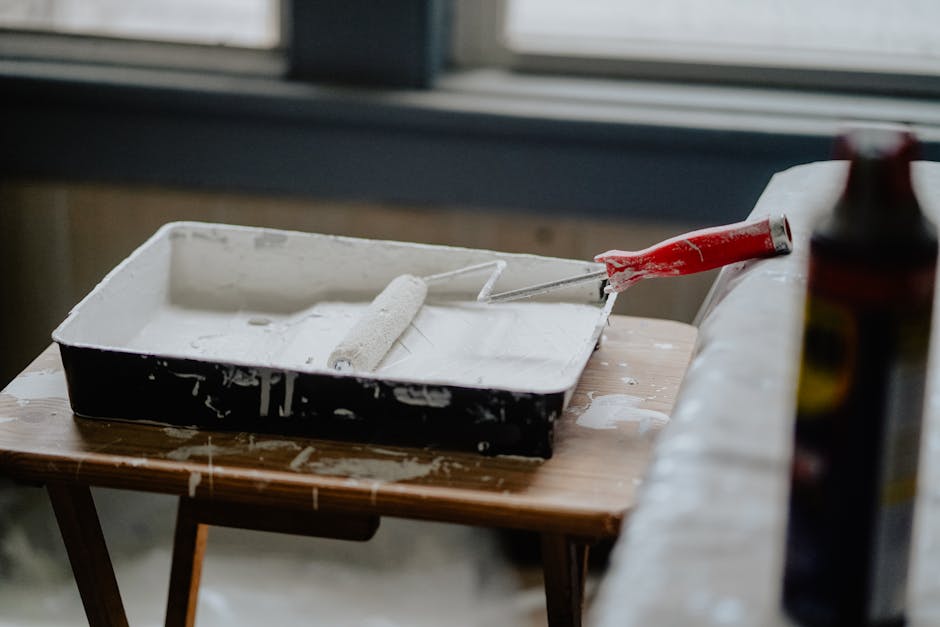
Getting your home painted is one of the most satisfying upgrades you can make. The colors change, the rooms feel cleaner, and everything just looks sharper. But before any brushes hit the walls, there's a critical step that determines how good the final result will be: preparation.
Whether you're doing some of the prep yourself or leaving it all to your painting crew, understanding what goes into proper preparation will help you plan better, avoid surprises, and get the most out of your investment. Here's a thorough walkthrough of how Rochester homeowners should get their homes ready for a fresh coat of paint.
Why Prep Work Matters More Than You Think
Paint is only as good as the surface underneath it. You could use the highest quality paint on the market, but if it's applied over dirty walls, cracked plaster, or peeling old coats, it's going to look rough and won't last nearly as long. Proper preparation gives paint something solid and clean to bond to, which means a smoother finish, better color accuracy, and results that hold up for years instead of months.
In the Rochester area, older homes are common. Many houses in neighborhoods across Brighton, Pittsford, and Irondequoit have plaster walls, multiple layers of old paint, and the kind of wear that comes from decades of Western New York winters. All of that needs to be addressed before new paint goes on.
Step 1: Decide What's Getting Painted and Make a Plan
Before you start moving furniture or taping trim, take a walk through your home and decide exactly which rooms, walls, or surfaces you want painted. This sounds obvious, but having a clear plan saves time and prevents the kind of scope creep that can slow a project down.
As you walk through each room, ask yourself these questions:
- Are the ceilings getting painted too, or just the walls?
- Do the baseboards, crown molding, door frames, and window trim need fresh paint?
- Are there any closets or small spaces you want included?
- Do any rooms need a different sheen (flat for ceilings, eggshell for walls, semi-gloss for trim, for example)?
Writing this down or even marking rooms with sticky notes helps your painter give you an accurate estimate and plan the job efficiently.
Step 2: Clear the Room as Much as Possible
The more open a room is, the faster and cleaner the painting process goes. Professional painters need room to work, set up ladders, and move freely along walls without tripping over coffee tables.
What to Move Out
Anything that can be carried out of the room should be. Lamps, side tables, bookshelves, small dressers, wall art, curtains, and decorative items should all go into another room or the garage temporarily. If you have fragile items like vases or framed photos, get those out early so they're not at risk.
What to Move to the Center
For large, heavy furniture like sofas, dining tables, and entertainment centers, moving them to the center of the room is usually enough. Your painting crew will cover them with drop cloths or plastic sheeting to protect them from drips and dust.
Don't Forget the Walls Themselves
Take down all wall hangings, mirrors, clocks, shelves, and curtain rods. Remove nails and picture hooks too. If you're not sure whether to patch those holes (because you might hang things in the same spot), leave them for now and discuss it with your painter.
Step 3: Clean the Walls
This is one of the most overlooked steps in painting prep, and it makes a real difference. Walls collect dust, grease, fingerprints, and grime over time, especially in kitchens, bathrooms, hallways, and around light switches. Paint doesn't adhere well to dirty surfaces.
How to Clean Interior Walls
- For most rooms, a simple wipe-down with a damp cloth or sponge and mild dish soap does the trick. Start at the top and work your way down.
- In kitchens, you may need a degreasing cleaner to cut through cooking residue, especially near the stove and range hood area.
- In bathrooms, check for mildew or mold around the tub, shower, and near the ceiling. A solution of one part bleach to three parts water will handle mild mildew. Let it dry completely before painting.
- Avoid using anything too harsh or abrasive that could damage the existing paint surface or leave a residue of its own.
If you're hiring a crew for residential painting in the Rochester area, most professional teams will handle wall cleaning as part of their prep process. But doing a preliminary wipe-down yourself never hurts, especially in high-traffic areas.
Step 4: Repair Wall Damage
Now comes the part that separates a decent paint job from a great one. Every dent, crack, nail hole, and rough patch on your walls will show through fresh paint if it's not fixed first.
Common Wall Issues in Rochester Homes
- Nail holes and small dents: Fill these with lightweight spackle, let it dry, and sand smooth with fine-grit sandpaper (150 to 220 grit works well).
- Hairline cracks: Small cracks in drywall or plaster can be filled with spackle or a flexible caulk. If the crack keeps coming back, it could indicate a structural issue worth investigating before you paint over it.
- Larger holes: Anything bigger than a quarter usually needs a patch kit with mesh tape and joint compound. This takes a bit more skill and multiple coats of compound with sanding between each.
- Peeling or flaking paint: Scrape away any loose paint with a putty knife, then sand the edges smooth so there's no visible ridge between the bare spot and the surrounding paint.
- Water stains: If you see brownish rings or discoloration on ceilings or walls, find and fix the source of the water first. Then prime the stain with a stain-blocking primer (shellac-based primers like Zinsser B-I-N work best) before painting over it. Regular paint alone won't cover water stains permanently.
Many older homes in areas like Henrietta and Fairport have plaster walls instead of drywall. Plaster repair requires a slightly different approach. Larger plaster cracks or crumbling sections may need to be re-skimmed or patched with setting-type compound rather than standard spackle. If your plaster damage is extensive, it's worth having a professional assess it before painting begins.
Step 5: Sand and Prime Where Needed
Sanding isn't just for patched spots. A light scuff-sand over glossy or semi-gloss painted surfaces gives the new paint something to grip onto. You don't need to sand down to bare material. A quick pass with 150-grit sandpaper or a sanding sponge is enough to dull the sheen and create a better bonding surface.
When Do You Need Primer?
Not every paint job requires a separate primer coat, but there are several situations where skipping it is a mistake:
- Bare drywall or plaster: Unpainted surfaces are porous and will absorb paint unevenly without primer.
- Stains: Water marks, smoke damage, or crayon on walls need a stain-blocking primer.
- Dark-to-light color changes: Going from a deep red or navy to a light gray or white? Primer prevents the old color from bleeding through and reduces the number of topcoats you'll need.
- Patched areas: Spackle and joint compound have a different texture and porosity than the surrounding wall. Primer evens things out so patches don't show as dull spots (called "flashing") under your new paint.
Step 6: Protect Floors, Fixtures, and Trim
Even the most careful painters produce some drips and splatter. Protecting your floors and fixtures before work starts is non-negotiable.
Floors
Canvas drop cloths are the gold standard. They absorb drips, stay in place, and don't tear easily. Plastic sheeting is slippery and tears easily underfoot, so it's better suited for covering furniture than floors. If you have hardwood floors, rosin paper taped down with painter's tape gives excellent protection.
Trim, Windows, and Fixtures
Use quality painter's tape (the blue or green varieties from 3M or FrogTape) to mask off any surfaces that aren't getting painted. This includes:
- Baseboards (if you're only painting walls)
- Window glass and frames
- Door hinges
- Light switch plates and outlet covers (or better yet, remove them entirely and keep the screws in a labeled bag)
- Light fixtures, especially ceiling-mounted ones
When applying tape, press the edge down firmly with a putty knife or plastic card to create a tight seal. This prevents paint from bleeding underneath and gives you crisp, clean lines.
Step 7: Think About Ventilation and Timing
Rochester weather plays a role in interior painting too, even though you're working inside. Humidity and temperature affect how paint dries and cures.
For the best results, keep the room temperature between 50 and 85 degrees Fahrenheit. During the colder months, this means keeping your heat running. In summer, air conditioning and fans help paint dry properly and keep fumes manageable.
Open windows when possible to improve airflow, especially if you're using oil-based primers or paints. Low-VOC and zero-VOC latex paints have much less odor, but ventilation still helps with drying time.
If you're painting multiple rooms, plan the sequence so you can keep living comfortably. Start with bedrooms during the day when no one needs to sleep in them. Kitchens and bathrooms are best done when you can temporarily use another bathroom or grab meals out for a day.
Step 8: Choose Your Colors Before the Crew Arrives
This might seem like it belongs earlier in the process, but you'd be surprised how many projects get delayed because colors haven't been finalized. Pick your colors, buy samples, and test them on the actual walls before your painting crew shows up.
Tips for Choosing Interior Paint Colors
- Paint a large swatch (at least 12 by 12 inches) on two different walls in the room. Colors look different depending on how much natural light a wall gets.
- Look at your swatches at different times of day. Morning light, afternoon sun, and evening lamplight all change how a color reads.
- Consider the fixed elements in the room: flooring, countertops, tile, and furniture that won't change. Your paint color needs to work alongside those.
- When in doubt, go one shade lighter than you think. Colors almost always look more intense on a full wall than they do on a small chip.
What About Exterior Prep?
If you're tackling both interior and exterior painting, the prep process outside is even more involved. Exterior surfaces deal with rain, snow, ice, sun, and temperature swings that Rochester is famous for. Power washing, scraping, caulking gaps around windows and doors, and priming bare wood are all essential before exterior paint goes on.
For homeowners in Pittsford and the surrounding area considering exterior painting, timing matters. The best window for exterior work in WNY is typically late spring through early fall, when temperatures are consistently above 50 degrees and rain is less frequent.
How Much Prep Should You Do Yourself?
If you're hiring a professional painting contractor, they'll handle the heavy-duty prep work: wall repairs, sanding, priming, taping, and protecting surfaces. That's part of what you're paying for, and experienced painters do it faster and more thoroughly than most homeowners can on their own.
That said, there are things you can do ahead of time to save your crew time and potentially save yourself money:
- Clear rooms of personal items and small furniture.
- Take down wall art, curtain rods, and outlet covers.
- Do a basic wipe-down of walls, especially in the kitchen and bathrooms.
- Make sure the painter has clear access to all rooms, including moving cars out of the garage if supplies need to be stored there.
- Have your paint colors selected and confirmed.
These tasks don't require any special skill, but they make a real difference in how smoothly the project goes.
A Quick Word About Wallpaper
If any of your rooms currently have wallpaper and you want to paint over those walls, the wallpaper needs to come off first. Painting over wallpaper almost always leads to problems: bubbling, peeling, and visible seams. Wallpaper removal can be straightforward or a real headache depending on how it was applied, how many layers there are, and how long it's been up.
If you're interested in going the other direction and adding wallcoverings or specialty finishes to some rooms instead of paint, that's another option worth exploring. Wallpaper has made a big comeback, and modern materials are easier to work with than what was used decades ago.
Ready to Get Your Home Painted? Let MLZ Painting Handle the Hard Part
If all this prep talk feels like a lot, that's because good preparation is genuinely the most important part of a quality paint job. The good news is that you don't have to do it alone.
MLZ Painting serves homeowners throughout Rochester, Buffalo, and the entire Western New York region. Whether you need interior painting in Webster, a full refresh for your Buffalo area home, or any project in between, we handle everything from prep through final cleanup.
Give us a call at (585) 362-2190 to schedule a free estimate. We'll walk through your home, discuss what needs to be done, and give you an honest quote with no surprises. Your home deserves paint that's applied right, on surfaces that are properly prepared, by people who know what they're doing.

Contact Us
Ready to Transform Your Space? Get a Free Estimate Today
Thinking about a new color? Planning a full repaint? We'd love to discuss your project and provide a free, no-obligation estimate.