
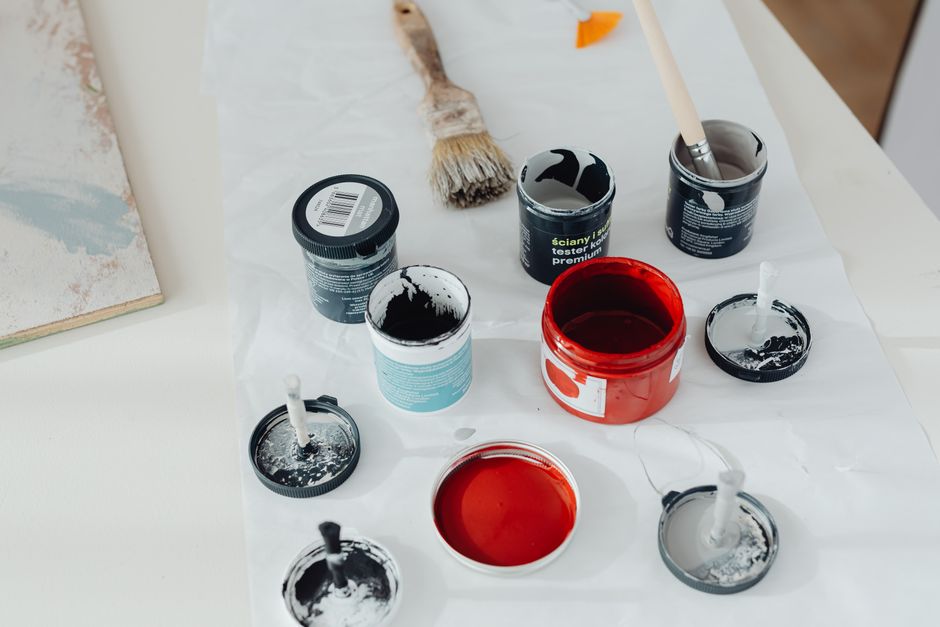
If you've ever stood in the paint aisle at your local hardware store and wondered whether it really matters if you grab an interior or exterior formula, you're not alone. It's one of the most common questions homeowners ask, and the short answer is: yes, it absolutely matters. Interior and exterior paints are engineered for completely different environments, and using the wrong one can lead to problems ranging from peeling and fading to actual health concerns inside your home.
Let's break down exactly what makes these two types of paint different, what can go wrong when you swap them, and how to make the right choice for every surface in your home.
At a basic level, all paint is made up of four key components: pigments (for color), binders (resins that hold the pigment together and adhere it to the surface), solvents (the liquid carrier that evaporates as paint dries), and additives (special ingredients that give the paint specific properties). The difference between interior and exterior formulas comes down to how these components are balanced and what additives are included.
What Makes Exterior Paint Special
Exterior paint is built to survive harsh conditions. Here in Western New York, that means everything from blazing summer sun to freezing winter temperatures, heavy rain, lake-effect snow, and constant humidity shifts. To handle all of that, exterior paints include:
- Flexible resins: These allow the paint film to expand and contract with temperature swings without cracking. When Rochester sees a 50-degree temperature change between January and July, this flexibility is critical.
- UV stabilizers: Sunlight breaks down paint over time. Exterior formulas contain additives that resist UV degradation, helping colors stay true longer.
- Mildewcides and fungicides: Exterior surfaces are constantly exposed to moisture, making them prime targets for mold and mildew growth. These additives fight that.
- Stronger binders: The resins in exterior paint are designed to grip tightly to surfaces that face wind, rain, and ice.
If you're planning an exterior painting project in the Buffalo area or anywhere else in WNY, you want a paint that's specifically designed to handle our tough four-season climate.
What Makes Interior Paint Different
Interior paint doesn't need to fight off rain or UV rays, so its formula focuses on different priorities:
- Low or zero VOCs: Volatile organic compounds are chemicals that off-gas from paint as it dries and cures. Because interior paint is used in enclosed spaces where you live and breathe, manufacturers work hard to keep VOC levels low.
- Washability and stain resistance: Interior walls get touched, scuffed, and splashed. Good interior paint can be wiped down without losing its finish.
- Smooth, attractive finishes: Interior paint is formulated to look great up close under artificial lighting, with consistent sheen and color.
- Low odor: Nobody wants to evacuate their house for three days because the paint smell is overwhelming.
Whether you're freshening up a bedroom or tackling a whole-house interior painting project in the Lima area, the right interior paint makes a noticeable difference in both appearance and air quality.
What Happens When You Use Exterior Paint Inside
This is the more dangerous mistake of the two. Some homeowners figure that if exterior paint is "tougher," it must be better for everything. That logic sounds reasonable, but it falls apart quickly.
Exterior paint contains higher levels of VOCs and fungicides that are safe enough in open air but can cause real problems in an enclosed living space. Those chemicals continue to off-gas for weeks or even months after application. In a bedroom, a nursery, or any room where people spend hours at a time, that's a genuine health concern. Symptoms can include headaches, dizziness, respiratory irritation, and worse for people with asthma or chemical sensitivities.
Beyond the health issues, exterior paint simply doesn't perform well indoors. The flexible resins that help it survive temperature extremes make it softer than interior paint, which means it scuffs and marks more easily. It may also have a slightly different sheen than what you'd expect, and it won't hold up to cleaning the way a good interior eggshell or satin finish will.
What Happens When You Use Interior Paint Outside
Using interior paint on an exterior surface might not pose a health risk, but it's still a costly mistake. Interior paint simply isn't built to handle the elements. Here's what typically goes wrong:
- Cracking and peeling: Without flexible resins, interior paint becomes rigid and brittle in cold temperatures. After one WNY winter, you'll likely see cracks forming. After two, you could have paint peeling off in sheets.
- Fading: Without UV stabilizers, colors fade fast. That rich front-door red you loved in September will look washed out by the following spring.
- Mold and mildew: Interior paint has no mildewcides, so any surface that stays damp, like north-facing siding or areas near downspouts, will develop ugly green or black growth.
- Chalking: As interior paint degrades from sun exposure, the binders break down and leave a powdery, chalky residue on the surface.
The end result is that you'll need to strip and repaint much sooner than you would have with the correct product. That means paying for the job twice. If you're investing in exterior painting for your Henrietta home or anywhere nearby, using the right exterior-grade paint is non-negotiable for getting good longevity out of the job.
What About "Interior/Exterior" Paint?
You've probably seen cans labeled for both interior and exterior use. These hybrid formulas do exist, and they're not a gimmick, but they do come with trade-offs.
Most interior/exterior paints lean more toward the exterior side of the formula. They contain UV stabilizers and flexible resins but are made with lower VOC levels to be safer for indoor use. They can be a reasonable choice for certain situations, like painting a garage, an enclosed porch, a mudroom, or a workshop where ventilation is decent and you want a tougher finish.
That said, for main living spaces, a dedicated interior paint will give you better results in terms of finish quality, washability, and air quality. And for fully exposed exterior surfaces, a dedicated exterior formula will usually outperform a hybrid product over time.
Special Cases to Watch For
Kitchen Cabinets
Kitchen cabinets are an interior surface, but they face tougher conditions than most walls. They deal with heat, steam, grease, and constant handling. The best approach is a high-quality interior paint in a semi-gloss or satin finish, often with an enamel hardener or a dedicated cabinet-grade coating. If you're considering having your cabinets professionally painted in Brighton or elsewhere in the Rochester area, this is one of those projects where product selection makes a huge difference in how well the finish holds up.
Covered Porches and Sunrooms
These spaces sit right on the line between interior and exterior. A covered porch that's open to the air on multiple sides should generally be treated as an exterior surface. A fully enclosed sunroom with windows can usually be treated as interior, though you may want to use a slightly more durable formula if it gets a lot of direct sunlight.
Basements and Bathrooms
High-moisture interior spaces like basements and bathrooms don't need exterior paint, but they do benefit from interior paints that include mildew-resistant additives. Many manufacturers offer "kitchen and bath" formulas specifically for this reason. The key is moisture resistance without the high VOC levels of exterior products.
Trim and Doors
Exterior doors and trim need exterior paint, even though one side faces inward. The exposed side takes a beating from weather, and the whole door experiences temperature differences from one side to the other. For exterior trim work, a good acrylic latex exterior paint in a semi-gloss finish is standard. For interior trim, an interior acrylic or alkyd-based paint works beautifully and wipes clean easily.
Choosing the Right Sheen for Each Location
Beyond choosing interior vs. exterior, the sheen (or finish) you pick also matters. Here's a quick breakdown:
- Flat/Matte: Best for interior ceilings and low-traffic rooms. Hides imperfections well but doesn't clean easily. Rarely used on exteriors.
- Eggshell: A popular interior choice for living rooms, bedrooms, and hallways. Offers a subtle sheen and cleans up reasonably well.
- Satin: Works for both interior and exterior use. Great for kitchens, bathrooms, kids' rooms, and exterior siding. Balances durability and appearance.
- Semi-Gloss: Highly durable and easy to clean. Ideal for interior trim, doors, cabinets, and exterior trim.
- High-Gloss: Maximum durability and shine. Used sparingly, mostly on front doors, shutters, and accent trim.
When we handle interior painting in Victor and the surrounding Finger Lakes communities, we help homeowners choose the right sheen for every room so the finish looks great and holds up to daily life.
Why WNY Weather Makes This Even More Important
Living in Western New York means our homes face some of the toughest weather conditions in the Northeast. Between lake-effect snow, freeze-thaw cycles, high summer humidity, and intense spring rains, both interior and exterior paints are put to the test.
Exterior paint on a home in Webster or Penfield needs to handle moisture from every direction, including driving rain, ice accumulation, and condensation during temperature swings. That's why choosing a premium exterior formula with strong adhesion and flexibility really pays off. A cheap paint or the wrong type of paint will fail much faster here than it would in a milder climate.
On the interior side, our long heating season means homes are sealed up tight for months. Indoor air quality matters more when your windows haven't been opened since November. Low-VOC interior paints make a meaningful difference in how your home smells and feels during those long winter months.
If you need reliable exterior painting work in Penfield or quality interior painting in the Webster area, working with a contractor who understands local conditions ensures the right products are chosen for the job.
Tips for Homeowners
If you're doing any painting yourself or hiring it out, keep these guidelines in mind:
- Always read the label. It will clearly state whether the product is for interior, exterior, or both.
- Don't use leftover exterior paint for a quick interior touch-up. It's tempting, but the VOC and odor issues aren't worth it.
- Store paint properly. Keep cans sealed, labeled, and stored in a climate-controlled space so you remember what's what when you need them later.
- When in doubt, ask. A knowledgeable paint supplier or professional painting contractor can steer you toward the right product for every surface.
- Invest in quality. Whether interior or exterior, premium paints cover better, last longer, and save money over time. Going cheap almost always costs more in the long run.
Get the Right Paint on Every Surface, the First Time
Choosing between interior and exterior paint isn't just a technicality. It directly affects how your paint job looks, how long it lasts, and how safe it is for your family. Using the wrong type might save a few minutes of decision-making at the store, but it can cost you hundreds or thousands of dollars in premature failure and rework.
If you're planning a painting project for your home, MLZ Painting can help you get it right from the start. We work with homeowners across Rochester, Buffalo, and the entire Western New York region, handling everything from cabinet refinishing projects in Fairport to full interior and exterior repaints. We'll help you choose the right products for every surface, prep everything properly, and deliver a finish that holds up to real life in WNY.
Give us a call at (585) 362-2190 to schedule a free estimate. Whether you have a quick question about paint selection or you're ready to get your project on the calendar, we're happy to help.

Contact Us
Ready to Transform Your Space? Get a Free Estimate Today
Thinking about a new color? Planning a full repaint? We'd love to discuss your project and provide a free, no-obligation estimate.