
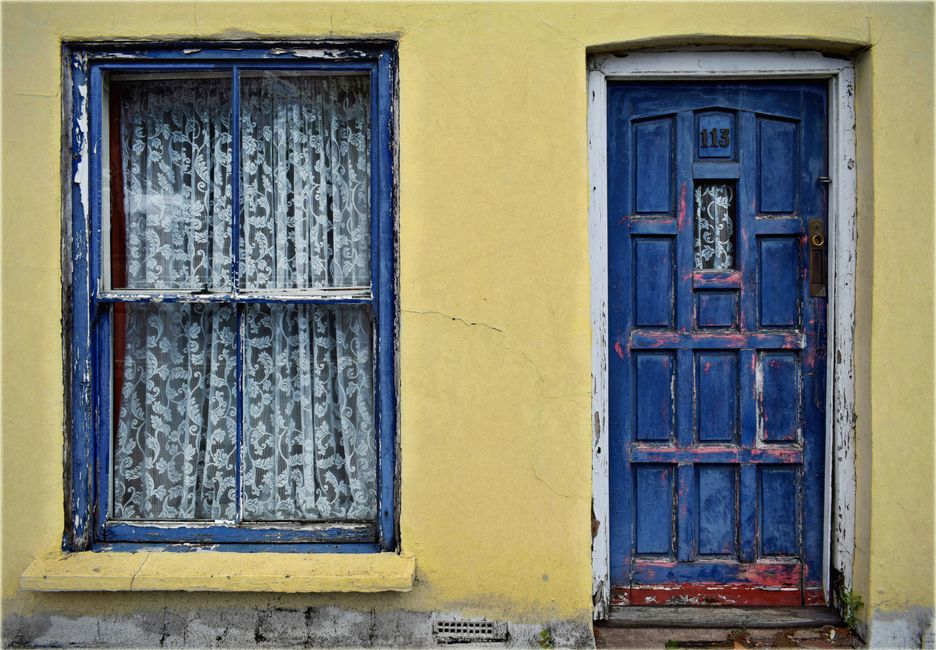
If you own an older home in Western New York, you've probably run into this question at some point: should I use oil-based or latex (water-based) paint? It sounds simple, but the answer depends on what you're painting, what's already on the surface, and how your home handles our sometimes brutal WNY weather. Let's break it all down so you can make a confident choice the next time a painting project comes up.
A Quick Primer on Oil-Based and Latex Paint
Before we get into the specifics for older homes, it helps to understand what actually separates these two types of paint.
Oil-Based Paint
Oil-based paint (sometimes called alkyd paint) uses a petroleum-based or natural oil solvent as its carrier. When it dries, the oils oxidize and form a very hard, durable film. Oil-based paints have been around for centuries, and for most of the 20th century, they were the standard for both interior and exterior work.
Key characteristics of oil-based paint include:
- Extremely smooth, hard finish
- Excellent adhesion to bare wood and previously painted oil surfaces
- Superior stain-blocking ability
- Longer drying time (usually 8 to 24 hours between coats)
- Strong odor and requires mineral spirits or paint thinner for cleanup
- Tends to yellow over time, especially in low-light areas
Latex (Water-Based) Paint
Latex paint uses water as its solvent and relies on acrylic or vinyl resins for adhesion and durability. Over the past few decades, latex formulations have improved dramatically. Today's high-quality latex paints can rival or even outperform oil in many applications.
Key characteristics of latex paint include:
- Flexible film that resists cracking as surfaces expand and contract
- Quick drying time (typically 1 to 4 hours between coats)
- Low odor and easy soap-and-water cleanup
- Excellent color retention that resists yellowing
- Lower VOC (volatile organic compound) levels in most formulations
- Breathable finish that allows moisture to escape
Why This Question Matters More for Older Homes
If your home was built before the 1980s, there's a very good chance that at least some of the existing paint is oil-based. Many older homes in Rochester, Brighton, Pittsford, and throughout the Finger Lakes region were originally painted with oil, both inside and out. That matters because you can't simply slap latex paint over an oil-based surface without proper preparation. If you do, you'll likely see peeling and flaking within a year or two.
Older homes also tend to have more intricate woodwork, plaster walls, and wood siding. These materials each interact differently with oil and latex paints. Add in Western New York's freeze-thaw cycles, lake-effect moisture, and summer humidity, and the stakes go up even further.
When Oil-Based Paint Still Makes Sense
Even though the industry has shifted heavily toward latex, there are situations where oil-based paint is still the better call for older homes.
Trim, Doors, and Detailed Woodwork
Oil-based paint levels out beautifully, meaning brush strokes virtually disappear as it dries. For the ornate trim, crown molding, and paneled doors found in many older WNY homes, this self-leveling quality produces a glass-smooth finish that's hard to match with latex. If you're painting interior woodwork in your Irondequoit home's interior and want that classic, furniture-like look, oil is worth considering.
Stain Blocking
Older homes often have water stains on ceilings and walls, nicotine discoloration, or tannin bleed from bare wood. Oil-based primers are the gold standard for sealing these stains so they don't bleed through your topcoat. Even if you plan to use a latex topcoat, starting with an oil-based primer on stained surfaces is often the smartest move.
Previously Oil-Painted Surfaces (Without Full Prep)
If a surface already has multiple coats of oil-based paint in good condition, applying another coat of oil ensures the best possible adhesion with minimal prep. That said, with proper priming, latex can go over oil successfully. We do this frequently on projects throughout the area.
Metal Surfaces
Older homes often have metal railings, radiators, or hardware. Oil-based paint adheres well to metal and provides a tough, protective layer. There are specialty latex options for metal now, but oil remains reliable for this use.
For most applications on older homes today, high-quality latex paint is the better option. Here's why.
Exterior Siding and Clapboard
This is where latex really shines on older homes. Wood siding expands and contracts significantly with Western New York's temperature swings. We can see temperature differences of 100 degrees or more between January and July. Oil paint forms a rigid film that eventually cracks under this movement, allowing moisture to get behind the paint and accelerate peeling. Latex paint stays flexible, moving with the wood and maintaining a sealed surface much longer.
If you have a historic home in the Buffalo area and you're thinking about repainting the exterior of your Buffalo home, latex is almost certainly the right choice for the siding. The same applies for homeowners considering exterior painting in Pittsford or any of the surrounding towns.
Interior Walls and Ceilings
For interior wall and ceiling surfaces, latex is the clear winner in almost every situation. It dries quickly, produces minimal odor, and won't yellow over time the way oil does. This yellowing issue is especially noticeable on white or light-colored walls, and it tends to be worse in rooms that don't get much natural light, like hallways, closets, and north-facing rooms.
Whether you're updating the walls in a Victorian in the Lima area or refreshing a mid-century ranch in Fairport, a premium acrylic latex will give you beautiful, long-lasting results.
Moisture-Prone Areas
Bathrooms, kitchens, and basements in older homes are often prone to moisture issues. Latex paint breathes, allowing water vapor to pass through the film rather than getting trapped underneath. Oil paint traps moisture, which can lead to blistering and peeling, especially in a humid WNY summer. For kitchens, a satin or semi-gloss latex is ideal for both walls and painted cabinets in areas like Brighton.
Health and Environmental Considerations
Oil-based paints release higher levels of VOCs during application and drying. In an older home with less air circulation, this can be a real concern. Latex paints, especially low-VOC and zero-VOC formulations, are much safer to apply indoors. This is particularly important if anyone in the household has asthma or chemical sensitivities.
The Hybrid Approach: What We Recommend Most Often
In our experience painting older homes across Western New York, the best results usually come from a hybrid approach. Here's what that looks like in practice:
- Oil-based primer on bare wood, stained surfaces, and areas with existing oil paint
- High-quality acrylic latex topcoat over the primer for walls, ceilings, and exterior siding
- Oil-based or high-quality hybrid enamel for trim, doors, and built-in cabinetry where a smooth, hard finish is desired
This combination gives you the stain-blocking and adhesion benefits of oil where you need them, plus the flexibility, durability, and color retention of latex where those qualities matter most. It's a practical approach that accounts for the realities of both older construction and our local climate.
Special Considerations for Western New York
Our region throws some unique challenges at paint. Understanding these helps you make smarter choices.
Freeze-Thaw Cycles
Rochester and Buffalo average well over 100 freeze-thaw cycles per year. Each cycle stresses paint films on exterior surfaces. Latex's flexibility gives it a clear advantage here, which is why we strongly recommend it for exterior applications on homes throughout the region, from exterior projects in Victor to jobs out in Geneseo and beyond.
Lake-Effect Moisture
Living near Lake Ontario and Lake Erie means higher humidity levels and more precipitation. Exterior paint needs to handle near-constant moisture exposure from late fall through early spring. Latex paints with mildew-resistant additives perform exceptionally well in these conditions.
Lead Paint Concerns
Any home built before 1978 may have lead-based paint. This is a serious safety issue that affects your paint type decision indirectly. If lead paint is present, it must be handled according to EPA RRP (Renovation, Repair, and Painting) regulations before any new paint goes on. A professional painting contractor will test for lead and follow proper containment and removal procedures. This is not a DIY situation.
Timing Your Project
Oil-based paint needs warmer temperatures to cure properly, generally above 50°F. Latex has become more forgiving, with many modern formulations rated for application in temperatures as low as 35°F. For our short WNY painting season, especially for exterior work, this gives latex another practical advantage. You get a wider window to complete your project.
How to Tell What's Already on Your Walls
Before you buy a single can of paint, you need to know what's already there. Here's a simple test:
- Soak a cotton ball or rag in denatured alcohol or rubbing alcohol.
- Rub it firmly against the painted surface for about 15 seconds.
- If the paint softens, comes off on the rag, or gets tacky, it's latex.
- If nothing happens and the surface stays hard, it's oil-based.
This test takes about 30 seconds and can save you from a costly adhesion failure down the road. If you're unsure about the results or your home has many layers of old paint, a professional assessment is always a good idea.
Can You Put Latex Over Oil? Yes, With the Right Prep
This is one of the most common questions we get, and the answer is yes, but only with proper preparation. Here's the process:
- Clean the surface thoroughly to remove dirt, grease, and chalking
- Sand the oil-painted surface to create a rough profile for the new paint to grip
- Apply a high-quality bonding primer (oil-based or a specialty bonding primer)
- Apply your latex topcoat once the primer has fully cured
Skipping the sanding and priming steps is the number one reason latex fails over oil. When done correctly, this transition works well and is standard practice on older homes. If you're considering updating existing oil-painted surfaces with a fresh coat of latex, whether it's kitchen cabinets in Henrietta or interior woodwork in Webster, the prep work makes all the difference.
What About "Hybrid" Paints?
You may have seen products marketed as "alkyd-modified latex" or "waterborne alkyd" paints. These are water-based paints that use alkyd (oil-type) resins to achieve a harder, smoother finish similar to traditional oil paint. Benjamin Moore's Advance and Sherwin-Williams' ProClassic are popular examples.
These hybrid products are an excellent option for trim, doors, and cabinets on older homes. They offer the smooth finish of oil with the easy cleanup and low odor of latex. They do take longer to fully cure than standard latex (sometimes 2 to 4 weeks to reach full hardness), so they require patience. But the results are impressive, and they've become a go-to choice for many professional painters working on older homes.
Get It Right the First Time
Painting an older home is more involved than painting new construction. There are more variables to consider: existing paint types, lead safety, surface conditions, moisture issues, and the specific demands of our WNY climate. Choosing the wrong paint or skipping critical prep steps can mean peeling, cracking, and the need to redo the work far sooner than you'd like.
If you're planning an interior or exterior painting project on an older home in the Rochester, Buffalo, or greater Western New York area, MLZ Painting can help you get it right. We'll assess your surfaces, determine what's already there, and recommend the best paint system for your specific situation. Call us at (585) 362-2190 to schedule a free estimate. We're happy to answer questions and walk you through the options before any work begins.
The Bottom Line
There's no single "better" paint type for every surface in an older home. Oil-based paint still has its place, especially for priming, stain blocking, and achieving a smooth finish on trim. But for the vast majority of applications, including exterior siding, interior walls, and moisture-prone areas, high-quality latex paint is the smarter, more durable choice for Western New York homes.
The real key is knowing what's already on your surfaces, prepping properly, and choosing the right product for each specific application. That's where experience matters, and it's something we bring to every project, whether it's a residential painting project in Buffalo or a detailed restoration in one of Rochester's historic neighborhoods.

Contact Us
Ready to Transform Your Space? Get a Free Estimate Today
Thinking about a new color? Planning a full repaint? We'd love to discuss your project and provide a free, no-obligation estimate.