
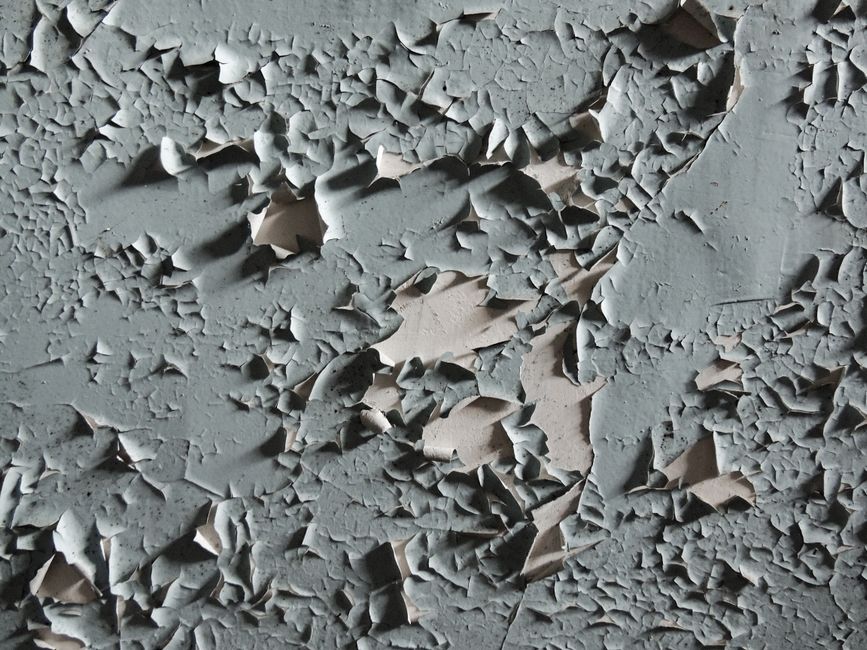
You walk up to your house one afternoon and notice it: a bubble in the paint on your siding, or a long strip curling away from the trim like old wallpaper. Maybe it's a patch on your bathroom ceiling that looks like it's ready to flake off. Peeling paint is one of the most common problems homeowners deal with in Western New York, and it's more than just an eyesore. It's a sign that something went wrong, either with the original paint job or with conditions behind the surface. The good news is that peeling paint can be fixed properly and permanently, as long as you understand what caused it in the first place.
Let's walk through the most common reasons paint peels, why Rochester-area homes are especially prone to it, and what a professional painter does differently to make sure the fix actually lasts.
The Most Common Reasons Paint Peels
Paint doesn't just peel for no reason. There's always a cause, and sometimes there are several causes working together. Here are the ones we see most often on homes throughout the Rochester, Buffalo, and greater WNY area.
1. Moisture Problems
This is the number one culprit, especially on the exterior of homes in our climate. Water gets behind the paint film through cracks, failed caulking, leaking gutters, or even from inside the house (think bathroom steam, cooking moisture, or a crawl space with no vapor barrier). Once moisture gets trapped between the paint and the surface, the bond breaks. The paint bubbles, then cracks, then peels away in sheets.
Western New York's freeze-thaw cycles make this even worse. Water that seeps into a tiny crack in the fall freezes and expands in winter, pushing the paint away from the substrate. By spring, you've got visible peeling in spots that looked fine just a few months ago. This is something we see regularly when handling exterior painting projects in Lima and surrounding communities.
2. Poor Surface Preparation
This one is entirely preventable, and it's the reason a lot of DIY paint jobs and cheap contractor jobs fail early. If the surface isn't properly cleaned, scraped, sanded, and primed before painting, the new paint has nothing solid to grip onto. It might look great for a few weeks or even a few months, but eventually it lets go.
Common prep shortcuts that lead to peeling include:
- Painting over dirty, chalky, or mildewed surfaces
- Skipping primer on bare wood, new drywall, or patched areas
- Painting over loose or flaking old paint without scraping it off first
- Not sanding glossy surfaces before applying a new coat
- Using the wrong primer for the surface type
We can't stress this enough: prep is where a paint job is made or broken. A professional crew will spend more time on prep than on actual painting, and that's exactly how it should be.
3. Incompatible Paint Layers
Not all paints play well together. One common problem is applying latex paint directly over old oil-based paint without proper priming. Oil and latex expand and contract at different rates, so eventually the top coat pulls away from the layer underneath. This is something you see a lot on older homes in Rochester and Buffalo, where original paint jobs from the 1960s and 70s were done in oil-based paints that have since been covered with latex.
Another compatibility issue is applying paint that's too rigid over a more flexible coating, or vice versa. Elastomeric coatings, for example, need to be applied correctly or they can cause adhesion failures on the coats beneath them.
4. Painting in Bad Conditions
Temperature and humidity matter a lot during application. Paint applied in direct hot sun can dry too quickly on the surface while staying wet underneath, creating a weak bond. Paint applied when it's too cold won't cure properly. Paint applied on a damp surface or right before rain can fail within weeks.
In WNY, our weather window for exterior painting in the Buffalo area and across the region is roughly late spring through early fall. Even within that window, a professional painter pays close attention to the daily forecast, dew point, and surface temperature before starting work. Amateurs and careless contractors often don't.
5. Low-Quality Paint
Cheap paint contains less resin (the binder that holds everything together) and more filler. It goes on thin, doesn't adhere as well, and breaks down faster under UV exposure and weather. On a surface that gets a lot of sun or takes a beating from wind-driven rain, bargain-bin paint can start failing in as little as two to three years.
This doesn't mean you need the most expensive paint on the shelf, but it does mean that a quality mid-range to premium paint from a reputable manufacturer makes a real difference in how long your paint job lasts.
6. Structural Issues
Sometimes peeling paint is a symptom of a bigger problem. Rotted wood, failed flashing, ice dam damage, plumbing leaks inside walls, or inadequate ventilation in attics and bathrooms can all cause persistent peeling that comes right back no matter how many times you repaint. A good painter will identify these issues before starting work and let you know what needs to be addressed first.
Why Western New York Homes Are Especially Vulnerable
If you've lived in the Rochester or Buffalo area for any length of time, you know our weather doesn't go easy on houses. Here's what makes our region particularly tough on exterior paint:
- Extreme temperature swings: It's not unusual to go from single digits to 50 degrees and back within the same week in winter. These rapid changes cause surfaces to expand and contract constantly, stressing paint films.
- Heavy snow and ice: Snow piling against siding, ice dams on rooflines, and meltwater finding its way behind trim and cladding are all common sources of moisture intrusion.
- Lake effect humidity: Proximity to Lake Ontario and Lake Erie means our humidity levels can stay high for extended periods, especially in summer. High humidity slows paint drying and can compromise adhesion.
- Older housing stock: Many homes in neighborhoods throughout Rochester, Penfield, Brighton, Pittsford, and beyond were built in the early to mid-1900s. These homes often have multiple layers of old paint, some of which may be oil-based or even lead-based, creating adhesion challenges for new coatings.
All of this means that cutting corners on an exterior paint job in WNY is even more costly than it would be in a milder climate. The margin for error is smaller here.
Now let's talk about solutions. If you've got peeling paint, here's what a proper repair process looks like, whether it's a small area or an entire house.
Step 1: Inspect and Diagnose
Before anyone picks up a scraper, a professional painter inspects the peeling areas and figures out why the paint is failing. Is it moisture? Poor prep from a previous job? Incompatible coatings? A structural issue that needs to be fixed first? The diagnosis drives the repair plan. Without this step, you risk just covering up the problem and watching it come back again next year.
Step 2: Address Underlying Problems
If there's a moisture source, it needs to be fixed before repainting. That might mean repairing gutters, improving attic ventilation, recaulking windows, replacing rotted trim boards, or redirecting downspout drainage away from the foundation. If the peeling is on interior walls, it could mean adding exhaust fans in bathrooms or fixing a plumbing leak. Paint can't solve a water problem.
Step 3: Remove All Loose and Failing Paint
This is the part most people skip or do halfway. All loose, flaking, bubbling, and poorly adhered paint has to come off, down to a sound surface. Depending on the situation, this might involve hand scraping, power sanding, or even careful use of a heat gun on thick, multi-layered old coatings.
On older homes, this step also requires awareness of lead paint safety. Homes built before 1978 may have lead-based paint, and disturbing it improperly creates a serious health hazard. Professional painters follow EPA guidelines for lead-safe work practices when dealing with pre-1978 surfaces.
Step 4: Sand and Feather Edges
After scraping, the edges where old paint meets bare surface need to be sanded smooth. This is called "feathering," and it prevents the new paint from having visible ridges or edges where it can lift. A smooth, gradual transition from old paint to bare surface helps the new coating lay flat and bond evenly.
Step 5: Clean the Surface
Dust from sanding, mildew, dirt, chalky residue from old paint, and other contaminants all need to be cleaned off before priming. On exteriors, this usually means a thorough power washing followed by adequate drying time. On interiors, it might be a combination of vacuuming, wiping down with a damp cloth, and treating mildew with a fungicidal cleaner.
Step 6: Prime Correctly
Primer is non-negotiable on any surface where paint has peeled. Bare wood, bare drywall, patched areas, and any spot where you're transitioning between coating types needs a high-quality primer suited to the specific situation. For example:
- Bare exterior wood: oil-based or high-quality acrylic primer
- Over old oil-based paint: bonding primer designed for the transition
- Stain-prone areas (water stains, knots): stain-blocking primer
- Bare drywall or joint compound: PVA or acrylic drywall primer
Using the right primer for the job is one of the biggest factors in whether the repair holds up or fails again. This attention to detail matters just as much on interior painting work in Victor as it does on a full exterior project.
Step 7: Apply Quality Paint Properly
With the surface properly prepared and primed, it's time for the finish coats. A professional applies paint at the correct thickness (not too thin, not too heavy), in the right conditions, and allows proper drying time between coats. Two coats of a quality acrylic latex paint is the standard for most situations, though some projects may call for additional coats depending on the color change and surface.
Interior Peeling: Kitchens, Bathrooms, and Beyond
We've focused a lot on exterior peeling because it's the most visible, but interior peeling is just as common. The usual suspects indoors are:
- Bathrooms: Steam from showers creates constant moisture exposure. Without proper ventilation and the right paint (a high-quality kitchen and bath formula with mildew resistance), paint on bathroom ceilings and walls will eventually bubble and peel.
- Kitchens: Similar moisture and heat issues. Areas around the stove, sink, and dishwasher take a beating.
- Basements: Moisture wicking through concrete block walls or floors can push paint right off. This requires special waterproofing primers and coatings.
- Ceilings below bathrooms: A slow leak in an upstairs bathroom can cause peeling on the ceiling below, sometimes long before you notice any other sign of a leak.
If you're dealing with peeling in a kitchen or bath, the fix follows the same principles: identify the moisture source, remove failing paint, prime appropriately, and apply a paint formulated for high-moisture environments. Our team handles interior painting throughout Henrietta and the wider Rochester area, including plenty of kitchens and bathrooms where past paint jobs have failed due to moisture.
Honestly, small areas of peeling on interior walls can be a reasonable DIY project if you're willing to do the prep work correctly. A patch of peeling paint on a bedroom wall, for example, can be scraped, sanded, primed, and repainted in an afternoon.
But there are situations where calling a professional makes a lot more sense:
- Peeling covers large areas or multiple rooms
- The peeling is on exterior surfaces, especially on upper stories
- Your home was built before 1978 and may have lead paint
- You're not sure what's causing the peeling
- The peeling keeps coming back after previous repair attempts
- You need the work done on cabinets where a smooth, factory-like finish is critical
For cabinet work especially, peeling is often the result of poor prep on the slick, factory-finished surfaces. If your cabinets in Brighton or elsewhere are showing signs of peeling, a professional refinish with proper bonding primers and sprayed coatings will hold up far better than a brush-and-roller DIY job.
What About Commercial Properties?
Peeling paint on a commercial building creates an even bigger problem because it affects your business's curb appeal and can signal neglect to customers and tenants. High-traffic interiors, warehouses, and storefronts all deal with peeling, often made worse by the scale of the surfaces and the wear they endure daily.
If you manage or own a commercial property in WNY, the same principles apply, but the stakes are higher and the scope is larger. Our commercial painting services in Lima and across the region are set up to handle these bigger jobs with proper scheduling and minimal disruption to your business operations.
Preventing Peeling Paint in the Future
Once you've fixed the peeling, you'll want to make sure it doesn't come back. Here are the best preventive measures:
- Maintain your gutters and downspouts. Clogged or damaged gutters are one of the top causes of exterior moisture damage and paint failure.
- Keep caulking in good shape. Check around windows, doors, and trim annually. Recaulk any areas where the old caulking has cracked or pulled away.
- Ventilate properly. Use exhaust fans in bathrooms and kitchens. Make sure your attic has adequate ventilation to prevent moisture buildup.
- Don't let landscaping touch your siding. Bushes and trees that rest against the house trap moisture and encourage paint failure (and rot).
- Repaint on schedule. Exterior paint in WNY typically lasts 7 to 10 years with quality materials and proper application. Don't wait until it's peeling to repaint. If it's looking chalky, faded, or you can see bare wood starting to show, it's time.
- Use the right products. High-quality acrylic latex paints with good UV and moisture resistance perform best on homes dealing with exterior conditions like those in Penfield and throughout the Finger Lakes region.
If you're tired of looking at peeling paint, or if you've tried fixing it yourself and it keeps coming back, it's time to bring in someone who can diagnose the real problem and fix it permanently. At MLZ Painting, we handle peeling paint repairs on homes and businesses across Rochester, Buffalo, and Western New York every season. We take the time to figure out what went wrong, fix the underlying issues, and apply coatings that are built to last in our tough climate.
Give us a call at (585) 362-2190 to schedule a free estimate. We'll come take a look, walk you through what we find, and give you an honest recommendation on the best way forward. Whether it's a small spot repair, a full exterior repaint in Pittsford, or a complete interior refresh, we're here to help you get it done right the first time.

Contact Us
Ready to Transform Your Space? Get a Free Estimate Today
Thinking about a new color? Planning a full repaint? We'd love to discuss your project and provide a free, no-obligation estimate.