
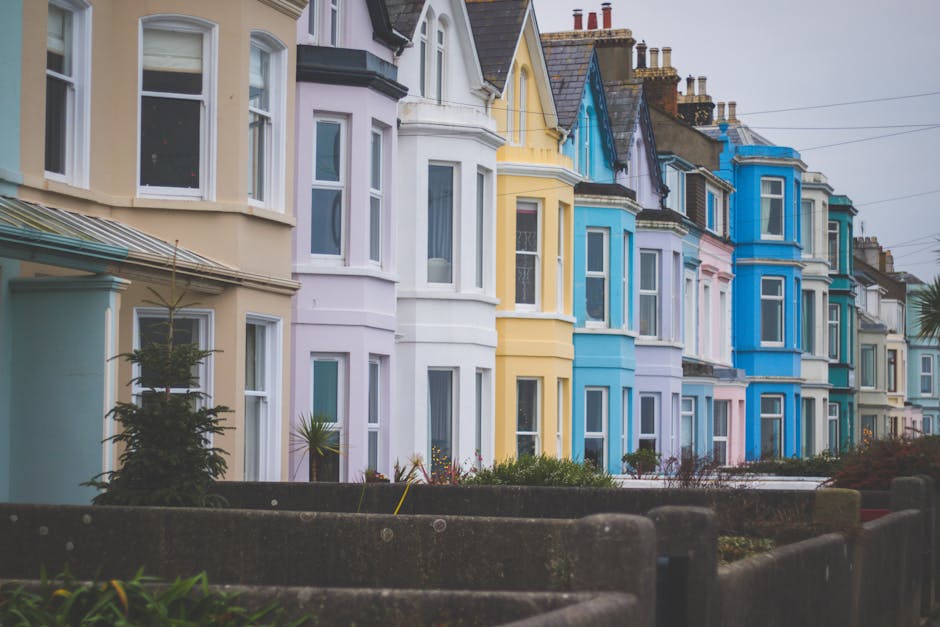
If you live in Western New York, you already know that our weather has a mind of its own. One week in April it's 70 degrees and sunny, and the next week we're scraping frost off the windshield. That kind of unpredictability makes timing an exterior paint job a real decision, not just a matter of picking a weekend when you're free. The good news is that Rochester and Buffalo homeowners absolutely can get beautiful, long-lasting exterior paint results. You just have to be smart about when you schedule the work.
In this guide, we'll walk through the best months for exterior painting in our region, what weather conditions actually matter for paint adhesion, and how to plan ahead so your project goes smoothly from start to finish.
Why Timing Matters So Much for Exterior Paint
Exterior paint isn't just about color and curb appeal. It's a protective coating that shields your siding, trim, and other surfaces from moisture, UV rays, wind, and temperature swings. For that coating to do its job, it needs to cure properly. And proper curing depends heavily on the conditions during and immediately after application.
When paint is applied in the wrong conditions, you can end up with problems like:
- Poor adhesion, causing the paint to peel or flake within a year or two
- Blistering from trapped moisture underneath the paint film
- Uneven sheen or color because the paint dried too quickly or too slowly
- Cracking from temperature drops that hit before the paint fully cured
None of those issues are fun to deal with, and they all mean spending more money sooner than you should have to. That's why getting the timing right is one of the most important decisions in any exterior painting project in the Buffalo area or anywhere across WNY.
The Ideal Weather Conditions for Exterior Painting
Before we talk about specific months, let's cover what paint actually needs from the weather. Most high-quality exterior latex paints require the following conditions for proper application and curing:
Temperature
The sweet spot for most latex paints is between 50°F and 85°F. Some premium paints can be applied in temperatures as low as 35°F, but that doesn't mean it's ideal. Warmer temperatures within that range allow the paint to flow, level, and bond to the surface the way it's designed to. Just as important: nighttime temperatures should stay above 35°F to 40°F for at least the first 24 to 48 hours after application. In Rochester and Buffalo, this rules out a lot of early spring and late fall days.
Humidity
Relative humidity between 40% and 70% is generally ideal. Too much moisture in the air slows drying and can cause the paint to sag or run. Too little humidity (rare here, but it happens on hot, dry summer days) can cause the paint to dry too fast, leading to brush marks and poor leveling. Western New York's humidity levels in summer are usually in a workable range, though the occasional muggy stretch in July or August can slow things down a bit.
Rain and Dew
Paint needs a dry surface to stick to, and it needs to stay dry for several hours after application. A surprise rain shower six hours after painting can wash away uncured paint or leave water spots and streaks. Morning dew can also be an issue. If your home's siding is still damp from overnight dew at 8 a.m., a crew needs to wait until the surface dries before starting work. This is especially common during spring and fall in the Rochester area.
Wind
A light breeze is actually helpful because it aids drying. But strong winds (common along the Lake Ontario and Lake Erie corridors) can blow dust and debris into wet paint, cause uneven drying, and make spray application nearly impossible. Anyone who has done exterior painting in Irondequoit or other lakeside neighborhoods knows that wind is a real factor to plan around.
Month-by-Month Breakdown for Rochester and Buffalo
Let's look at what each part of the year typically looks like in our area and how that affects exterior painting.
March and Early April: Too Early
Average highs in Rochester and Buffalo during March hover around 40°F to 48°F, with lows dipping into the 20s. Snow is still a real possibility, and surfaces are often wet from snowmelt. This is not the time to paint your home's exterior. However, it's a great time to start planning. Get your estimate, choose your colors, and get on a contractor's schedule before the busy season hits.
Late April and May: Possible, But Risky
By late April, daytime highs start reaching the mid-50s to low 60s, which technically falls within the application range for many paints. The catch is that nighttime temps still drop into the 30s regularly, and spring rain is frequent. May is more promising, especially the second half. If you get a stretch of warm, dry days in late May, exterior painting can absolutely work. Just be aware that schedules fill up fast this time of year, so if you're considering a project in Pittsford, Victor, or anywhere nearby, it's wise to book early.
June: Excellent
June is one of the best months for exterior painting in Western New York. Average highs are in the 70s, lows stay well above 50°F most nights, and while we do get rain, there are usually plenty of dry stretches to work with. The days are long, which gives crews more working hours. Humidity is generally moderate. If you can schedule your project for June, you're in great shape.
July and August: Prime Season (With a Few Caveats)
July and August are the heart of exterior painting season in Rochester and Buffalo. Temperatures are consistently warm, and there's no risk of frost. These are the months when most residential painting projects get done across the region.
The caveats? Occasional heat waves can push temps above 85°F, which can cause paint to dry too quickly on sun-baked surfaces. A good painter will work on the shady side of the house during the hottest part of the day and save south-facing and west-facing walls for morning or late afternoon. Afternoon thunderstorms are also more common in midsummer, so flexibility in the daily schedule matters.
Humidity can creep up during these months too, but an experienced crew knows how to adjust. Overall, July and August remain excellent choices for getting your home's exterior painted.
September: Another Great Window
September is a bit of a hidden gem for exterior painting. The summer crowds thin out a little, temperatures are still comfortably in the 60s and 70s during the day, and humidity starts to drop. Early September is essentially a continuation of summer conditions. Even late September usually works well, though you'll want to keep an eye on nighttime lows as they start to dip toward the 40s. If you're planning exterior painting in Williamsville or the surrounding Buffalo suburbs, September can be an ideal time to get the work done before fall sets in.
October: The Window Is Closing
Early October can still work, especially during an Indian summer. Daytime highs often reach the upper 50s to mid-60s, which is fine for painting. But nighttime temperatures regularly fall into the 30s by mid-October, and that's where the risk increases. Paint that hasn't fully cured before a hard frost can fail prematurely. If your project runs into October, make sure your painter is using a high-quality paint rated for lower temperature application and is monitoring the forecast closely.
November Through February: Interior Season
Once November hits, exterior painting is off the table in Western New York. Temperatures are too low, and the combination of snow, ice, and short days makes it impractical. But that doesn't mean you have to put all your painting plans on hold. The winter months are actually a perfect time to tackle interior painting in Buffalo or Rochester. You can freshen up rooms, paint cabinets, or update your interior colors while you wait for spring.
How to Plan Ahead for the Best Results
Knowing the best months is only part of the equation. Here's how to make sure your exterior paint job goes as smoothly as possible.
Book Early
The best painting contractors in Western New York start filling their summer schedules in March and April. If you wait until June to call, you might not get on the calendar until August or September. Reach out in late winter or early spring to lock in your preferred timeframe.
Get a Pre-Season Inspection
Before any paint goes on, your home's exterior needs to be in good shape. That means addressing peeling paint, rotted wood, caulk failures, and mildew. A good contractor will inspect all of this during the estimate process and let you know what prep work is needed. Prep is where a paint job is truly made or broken.
Choose the Right Paint
Not all exterior paints are created equal, and in a climate like ours, quality matters even more. WNY homes deal with freeze-thaw cycles, lake-effect moisture, intense summer sun, and everything in between. A premium acrylic latex paint with good flexibility and UV resistance will hold up far better than a bargain option. Your painter should be able to recommend specific products based on your siding material and exposure.
Have a Backup Plan for Weather Delays
Even in the best months, weather delays happen. A reputable contractor will build flexibility into the schedule and communicate clearly if rain or other conditions push the timeline. This is normal and not a sign of a problem. It's actually a sign that the crew cares about doing the job right.
What About Specific Siding Types?
The best time to paint can also depend on what your home is made of.
- Wood siding and trim: These are the most sensitive to moisture and temperature. Stick closely to the June through September window for the best results. Wood needs to be thoroughly dry before painting, so avoid scheduling right after a prolonged rainy stretch.
- Vinyl siding: Vinyl can be painted, but it expands and contracts significantly with temperature changes. Painting in moderate temperatures (60°F to 80°F) is especially important here to avoid adhesion problems.
- Aluminum siding: Common in older Rochester and Buffalo homes. Aluminum can get very hot in direct sun, which causes paint to dry too fast. Painting in slightly cooler conditions or working on shaded surfaces is key.
- Brick and masonry: These surfaces hold moisture longer than wood or metal. Make sure masonry is completely dry before painting, and allow extra time after rain before starting work.
- Stucco: Similar to masonry in terms of moisture concerns. Stucco also benefits from slightly longer cure times, so warm and dry conditions are ideal.
No matter what type of exterior your home has, proper surface preparation and the right weather window will give you a finish that lasts for years. Whether you're in Henrietta, Fairport, or anywhere else in the region, the same principles apply.
What If You Miss the Window?
If fall arrives and you haven't gotten your exterior painted, don't panic. Waiting until the following spring or summer is always better than rushing a job in poor conditions. A paint job done in marginal weather might look fine at first, but it's far more likely to peel, crack, or fade within a couple of years. That means you'll end up paying to have it done again much sooner.
In the meantime, you can use the off-season to handle other projects. Updating your kitchen cabinets with a fresh coat of paint or refreshing your interior rooms are great ways to invest in your home while winter keeps you inside.
Ready to Schedule Your Exterior Paint Project?
If you're thinking about painting your home's exterior this year, now is the time to start the conversation. MLZ Painting serves homeowners throughout Rochester, Buffalo, and the entire Western New York region. We'll walk you through the process, help you pick the right time for your project, and make sure the prep and application are done right so your paint lasts as long as it should.
Give us a call at (585) 362-2190 to set up a free estimate. Whether your home is in the city, the suburbs, or out in the surrounding towns, we'd love to help you plan a project that fits your schedule and your budget. The best exterior paint jobs start with good planning, and we're here to help you get it right.

Contact Us
Ready to Transform Your Space? Get a Free Estimate Today
Thinking about a new color? Planning a full repaint? We'd love to discuss your project and provide a free, no-obligation estimate.