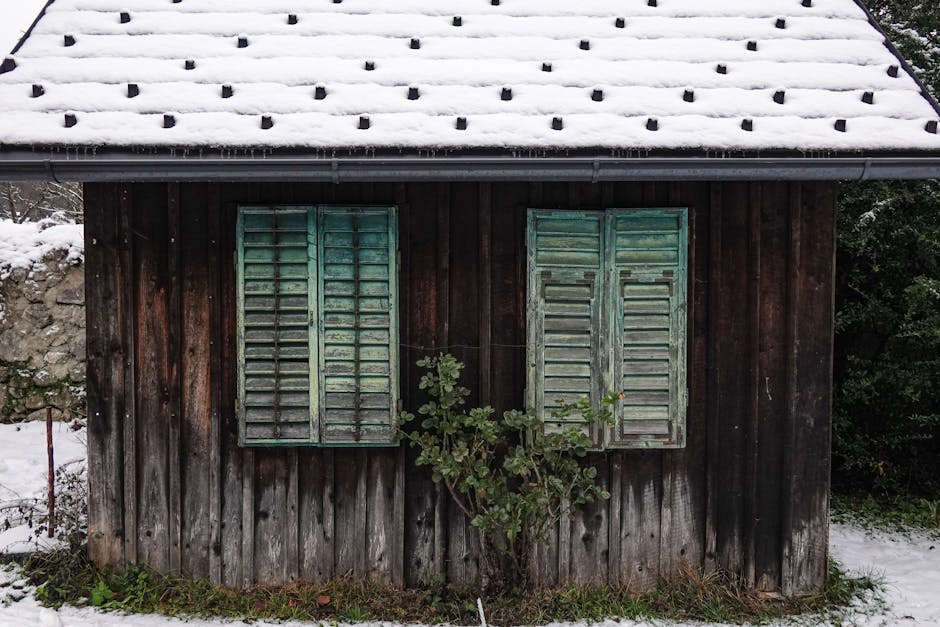
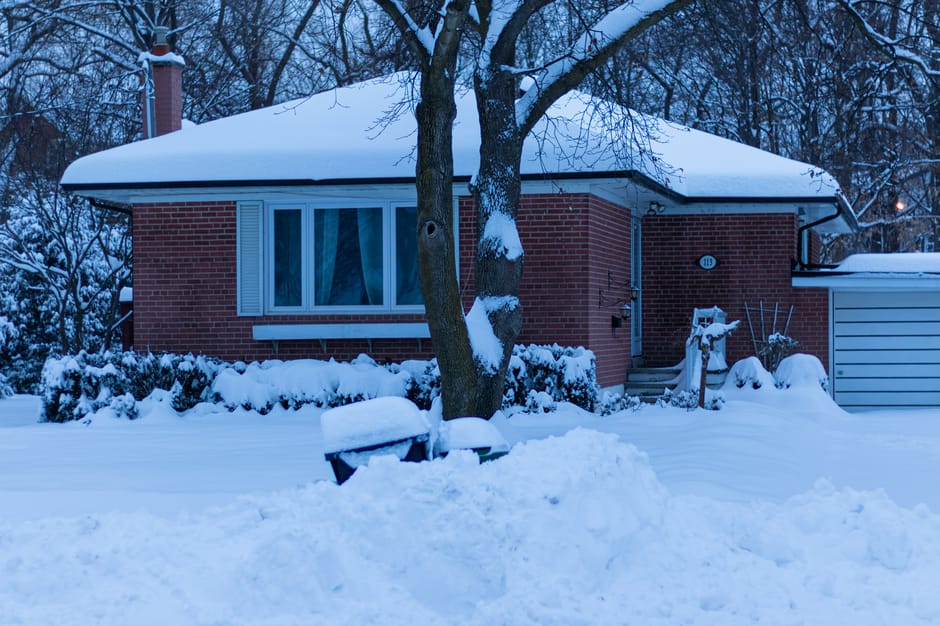
If you've lived in Western New York for any length of time, you already know our weather is in a category of its own. Rochester and Buffalo sit right in the path of lake-effect systems rolling off Lakes Ontario and Erie, and that means our homes take a beating that most paint manufacturers don't specifically plan for. Understanding how these conditions affect your paint can save you real money, prevent bigger maintenance headaches, and help you make smarter decisions about when and how to paint your home.
What Makes Lake-Effect Weather So Hard on Paint?
Lake-effect weather isn't just about heavy snowfall. It's a combination of factors that, taken together, create one of the most demanding environments for exterior coatings in the entire country. Let's break down the specific forces at work.
Extreme Freeze-Thaw Cycles
WNY doesn't just get cold and stay cold. We experience constant fluctuation. A January day might start at 10°F, climb to 35°F by afternoon, and drop back below freezing by evening. This freeze-thaw cycle is devastating to paint films. When moisture gets into tiny cracks or pores in the paint surface and then freezes, it expands. That expansion forces the crack wider. The next thaw lets more moisture in, and the cycle repeats. Over a single winter, a hairline crack can become a visible split, and within a couple of seasons, you're looking at peeling and flaking.
Rochester averages around 80 to 100 freeze-thaw cycles per year. Buffalo sees similar numbers. Compare that to a city like Atlanta, which might experience 30 to 40, and you begin to see why paint in our region simply doesn't last as long as it does in milder climates.
Heavy, Wet Snow Loads
Lake-effect snow is often heavier and wetter than the dry powder you'd find in Colorado or the upper Midwest. When that heavy snow piles against your siding, sits on window sills, or packs into trim joints, it creates prolonged moisture contact. Paint that's already showing any weakness gets saturated, and once the protective barrier is compromised, the underlying wood or substrate starts absorbing water. For homeowners in the Buffalo area needing exterior painting, this is especially relevant since the southtowns can see dramatically more accumulation than neighborhoods just a few miles north.
High Humidity and Cloud Cover
WNY is one of the cloudiest regions in the United States. Rochester and Buffalo both rank in the top ten for least sunny days annually. All that cloud cover comes with persistent humidity, and humid conditions mean slower drying times for fresh paint and more opportunity for moisture to work its way beneath existing coatings. In summer, high humidity can cause exterior paint to blister if it was applied over a damp surface. In winter, trapped moisture behind paint films can freeze and cause delamination.
Wind-Driven Rain and Ice
Lake-effect systems often bring strong winds along with precipitation. Wind-driven rain hits your home's exterior at angles that normal rainfall wouldn't reach, pushing water into seams, behind trim, and under lap edges of siding. Over time, this sideways moisture intrusion degrades paint from the back side, which is one of the hardest failures to diagnose because the damage is happening beneath the surface before you can see it.
How Long Should Exterior Paint Last in WNY?
Paint manufacturers often advertise lifespans of 15 to 25 years. In WNY, you should adjust those expectations. A high-quality exterior paint job, done with proper preparation and premium materials, typically lasts 7 to 12 years in our climate. Budget paint or shortcuts in prep work can cut that down to 3 to 5 years.
That might sound discouraging, but it's actually useful information. If you know what to expect, you can plan maintenance proactively instead of reacting to damage after it's already started. Homeowners in places like Irondequoit, which sits right on Lake Ontario's shore, may see even shorter lifespans on north-facing and lakeside walls due to direct exposure.
Factors That Determine How Long Your Paint Will Hold Up
- Surface preparation: This is the single biggest factor. Paint applied over peeling layers, dirty surfaces, or unsound substrates will fail quickly regardless of quality.
- Paint quality: Premium 100% acrylic latex paints with high resin content flex better with temperature swings and resist moisture penetration far better than cheaper alternatives.
- Number of coats: Two full coats over a quality primer is the minimum standard for WNY. One coat simply doesn't build enough film thickness to withstand our conditions.
- Application timing: Paint applied during improper conditions (too cold, too humid, too hot) won't cure correctly and will fail prematurely.
- Color choice: Darker colors absorb more heat, causing greater thermal expansion and contraction. This can lead to earlier cracking on south-facing walls.
- Substrate condition: Rotted wood, deteriorating stucco, or corroded metal need to be repaired before painting, or no coating will hold.
Which Parts of Your Home Are Most Vulnerable?
Not every surface on your house faces the same level of exposure. Knowing where problems develop first helps you prioritize maintenance and catch issues early.
South-Facing Walls
These get the most direct sun exposure, which means the greatest temperature swings between sunny winter days and cold nights. The UV exposure also breaks down paint binders faster. You'll often see chalking and fading on south-facing walls before anywhere else.
North-Facing Walls
While they get less sun damage, north-facing walls stay damp longer after rain or snow. They're also more prone to mildew and algae growth, which can discolor and eventually undermine the paint film. For homes in Webster and other lakeside communities east of Rochester, north-facing walls take the brunt of lake-effect moisture.
Window and Door Trim
Trim catches and holds water at joints and horizontal surfaces. It also tends to be made from softer wood species that are more susceptible to rot. Caulk joints between trim and siding are often the first place water intrusion begins.
Soffits and Eaves
Ice dams are a common WNY problem, and when ice backs up under shingles, meltwater can run down into soffit areas. Paint on soffits often peels from moisture coming from above rather than from weather exposure on the painted surface itself.
Foundation and Lower Siding
Snow piles against the base of your home for months at a time in WNY. That prolonged contact with moisture and the splash-back from rain and snowmelt makes the lowest 18 to 24 inches of your siding the most vulnerable zone. If you notice paint failure anywhere first, it's usually here.
Best Practices for Painting in a Lake-Effect Climate
After years of painting homes across Henrietta, Pittsford, and throughout the greater Rochester and Buffalo areas, we've learned what works and what doesn't in our specific climate. Here are the practices that make the biggest difference.
Timing Your Exterior Paint Job
The ideal window for exterior painting in WNY runs from mid-May through mid-October, but not every day in that range is suitable. You need at least 48 hours of dry weather with temperatures between 50°F and 85°F, and nighttime temperatures that stay above 50°F. The paint needs adequate time to cure before dew or temperature drops interfere with film formation.
Early morning dew is common in our area, so starting exterior work before 9 or 10 AM can mean painting over a damp surface. Similarly, painting too late in the afternoon risks the paint not setting up before evening moisture settles in.
Choosing the Right Products
For WNY exterior work, we strongly recommend:
- 100% acrylic latex paints for their flexibility and moisture resistance. They expand and contract with temperature changes far better than alkyd or oil-based paints.
- High-build primers that fill minor surface imperfections and create a stronger bond between the substrate and topcoat.
- Mildew-resistant formulations for north-facing walls and shaded areas where moisture lingers.
- Elastomeric coatings for stucco or masonry surfaces that are prone to cracking. These stretch up to 300% to bridge hairline cracks.
Surface Preparation Is Non-Negotiable
We can't stress this enough. In a climate as demanding as ours, cutting corners on prep is essentially throwing your money away. Proper preparation for a WNY exterior paint job includes:
- Power washing to remove dirt, mildew, chalking, and loose paint
- Scraping and sanding all areas with peeling or flaking paint back to a sound surface
- Repairing or replacing rotted wood, damaged trim, and deteriorated caulk
- Priming all bare wood and repaired areas with a bonding primer
- Allowing adequate dry time between prep work and painting
Skipping any of these steps creates weak points where WNY weather will find its way in. It's not a question of if, but when.
What About Interior Paint in Lake-Effect Country?
You might think interior paint is completely shielded from weather, but that's not entirely true. Our climate affects indoor conditions in ways that impact paint performance.
Humidity Swings
WNY homes go from humid summers (often 70-80% relative humidity outdoors) to bone-dry winters when the furnace runs constantly. Indoor humidity can drop to 20% or below in January. These swings cause expansion and contraction of drywall, trim, and plaster, which can lead to cracking at seams and joints. Homes in Lima and other rural areas with older construction are especially prone to this because original plaster walls are more rigid than modern drywall.
Condensation on Walls and Windows
When cold outside air meets warm interior surfaces (or vice versa), condensation forms. In bathrooms, kitchens, and rooms with poor insulation, this moisture can cause interior paint to peel, bubble, or develop mildew. Using moisture-resistant paints in these areas and ensuring proper ventilation makes a significant difference.
Indoor Air Quality Considerations
Because WNY homes are sealed up tight for five to six months of the year, choosing low-VOC or zero-VOC paints for interior painting projects in communities like Victor and beyond is more than just an environmental choice. It's a health consideration. You're breathing the air in your sealed-up home all winter, so the quality of paint matters.
Maintenance Tips to Extend Paint Life in WNY
Getting a great paint job is only half the equation. Maintaining it properly between repaints is what maximizes your investment.
- Inspect annually: Walk around your home every spring and look for cracking, peeling, blistering, or discoloration. Catching problems early lets you do spot repairs instead of full repaints.
- Keep gutters clean: Clogged gutters overflow and send water cascading down your siding. This is one of the most common causes of premature paint failure in WNY.
- Trim back vegetation: Bushes and tree branches that contact your siding trap moisture and cause abrasion. Keep at least 6 to 12 inches of clearance.
- Manage snow contact: When possible, keep heavy snow shoveled or brushed away from your home's foundation and lower siding.
- Recaulk as needed: Caulk around windows, doors, and trim joints has a limited lifespan. Check it every year or two and replace any caulk that's cracked, pulled away, or missing.
- Address mildew promptly: A solution of one part bleach to three parts water, applied gently, can remove mildew before it damages the paint film. Rinse thoroughly afterward.
When It's Time to Repaint: What to Look For
Some signs of paint failure are obvious. Others are easy to miss if you're not looking for them. Here's what should prompt you to start thinking about a repaint:
- Chalking: Run your hand along the siding. If it comes away with a powdery residue, the paint binders are breaking down.
- Fading: Significant color loss, especially uneven fading, means the paint's protective properties are diminishing.
- Cracking or alligatoring: A pattern of cracks that looks like reptile skin means the paint has lost its flexibility.
- Peeling or flaking: This is advanced failure. Moisture is getting under the paint film, and the problem will spread rapidly.
- Bare wood showing: If you can see raw wood anywhere, you need to act quickly before rot sets in.
- Caulk failure: Even if the paint looks okay, failed caulk is letting water in behind the scenes.
If you're noticing any of these signs on your home, whether you're in Honeoye Falls, the Rochester suburbs, or out toward Buffalo, don't wait for the problem to get worse. Early action almost always costs less than delayed repairs.
Get Your Home Ready for WNY Weather
Living in Western New York means accepting that our weather will always be tough on our homes. But it doesn't mean you have to settle for paint that fails after a few years. The right preparation, the right products, and proper application make all the difference between a paint job that barely survives two winters and one that protects your home for a decade.
At MLZ Painting, we understand the specific challenges that lake-effect weather creates for homeowners across WNY. We've painted homes throughout Rochester, Buffalo, and the surrounding communities, and we know what it takes to get lasting results in this climate. If your home's exterior is showing signs of wear, or if you want to get ahead of problems before they start, give us a call at (585) 362-2190 for a free estimate. We'll give you honest advice about what your home needs and the best approach for your budget and situation.