
You're walking through your house, coffee in hand, and you notice it: a scuff on the hallway wall, some fading near the windows, maybe a small patch of peeling paint by the front door. Your first thought is probably, "Do I need to repaint the whole thing, or can I just fix that one spot?" It's a fair question, and it comes up a lot here in Western New York, where our homes take a beating from lake-effect snow, humid summers, and everything in between.
The honest answer is that it depends. Sometimes a quick touch-up is all you need. Other times, spot fixes actually make things look worse, and a full repaint is the smarter investment. Let's walk through exactly how to figure out which situation you're in, both inside and outside your home.
Understanding the Difference Between a Touch-Up and a Full Repaint
Before we dig into the signs, let's make sure we're on the same page about what each option actually involves.
What counts as a touch-up?
A touch-up means addressing small, isolated problem areas without repainting entire walls, rooms, or surfaces. This could include:
- Filling and painting over nail holes or small dents
- Covering scuff marks in high-traffic areas
- Repainting a small section where paint chipped from an impact
- Fixing a spot where moisture caused a bubble or blister
Touch-ups are quick, affordable, and can keep your home looking fresh between full paint jobs. But they have limits.
What does a full repaint involve?
A full repaint means prepping and recoating an entire surface, whether that's a single room, the whole interior, or your home's exterior. This includes proper cleaning, sanding or scraping where needed, priming problem areas, and applying fresh coats of paint. It's a bigger project, but it gives you a uniform, lasting result that touch-ups simply can't match when the existing paint has reached the end of its life.
Signs That a Touch-Up Will Do the Job
Not every paint problem calls for a major project. Here are situations where a targeted touch-up makes perfect sense.
The damage is isolated and small
If you've got a couple of scuffs from moving furniture, a chip where your kid launched a toy, or a few nail holes from rearranging photos, a touch-up is the right call. The key is that the surrounding paint is still in good shape. When the rest of the wall looks solid, you're just dealing with cosmetic damage in a specific spot.
The paint color hasn't faded much
This is where a lot of people get tripped up. Touch-up paint needs to blend with the existing color. If your walls were painted recently (within the last two to three years for interiors, or one to two years for exteriors), the color match is usually close enough that a touch-up blends in well. Pro tip: always keep leftover paint from your last job, stored with the lid sealed tight. It makes touch-ups dramatically easier.
The issue is mechanical, not systemic
If the damage came from something hitting the wall, a piece of tape pulling off paint, or normal household wear and tear, it's a mechanical issue. That's different from paint that's failing because it's old, poorly applied, or reacting to moisture. Mechanical damage in an otherwise healthy paint job is a textbook touch-up scenario.
Signs That You Need a Full Repaint
Now let's talk about the situations where spot fixes won't cut it. If you're seeing any of these issues, it's time to start thinking bigger.
Widespread fading or discoloration
Sunlight is tough on paint, especially on south-facing and west-facing walls. If you move a picture frame and see a stark difference between the protected area and the exposed wall, your paint has faded significantly. Touch-up paint won't match faded surroundings, no matter how carefully you apply it. You'll end up with obvious patches that look worse than the fading did. When fading is noticeable across large sections, a full repaint is the way to go.
This is especially common with interior painting in homes around Victor and other sunny WNY suburbs where large windows let in a lot of natural light.
Peeling, cracking, or flaking paint
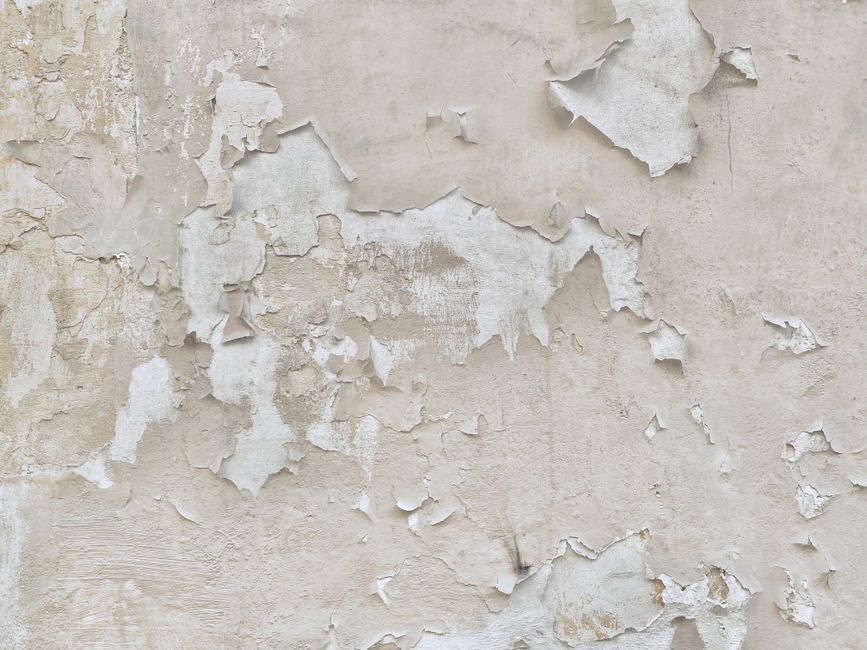
A small chip from an impact is one thing. But when you see paint peeling away from the surface in sheets, cracking in a pattern (sometimes called "alligatoring"), or flaking off in multiple spots, the paint has lost its adhesion. This usually means the surface wasn't properly prepped before the last paint job, the paint has simply aged out, or there's a moisture issue underneath.
Painting over failing paint is a waste of time and money. The new paint will just peel off with the old paint underneath it. These surfaces need to be scraped, sanded, primed, and fully repainted. If you're noticing this on your home's siding, our exterior painting work in the Buffalo area addresses exactly this kind of problem.
Chalking on exterior surfaces
Run your hand along your home's exterior siding. If it comes away with a powdery, chalk-like residue, that's called chalking. It means the paint's binder has broken down from UV exposure and weather. A light amount of chalking is normal for older paint, but heavy chalking means the paint is no longer protecting your siding. You need a full exterior repaint, starting with a thorough power wash to remove the chalky residue before new paint can adhere properly.
Here in Western New York, chalking tends to show up faster on homes that face prevailing winds off Lake Ontario or Lake Erie. Homes in Spencerport, Webster, and other lakeside communities often need exterior repaints sooner than sheltered inland properties.
Moisture stains, bubbling, or mold
Brown or yellow stains on ceilings and walls usually mean water has gotten in somewhere. Bubbling paint often indicates moisture trapped behind the surface. And if you see mold or mildew growing on painted surfaces (common in bathrooms, basements, and on exterior north-facing walls), the paint alone isn't the problem, but it does need to be addressed as part of the solution.
With moisture-related paint failure, you need to fix the water source first. Then the affected areas need to be cleaned, treated, primed with a stain-blocking primer, and fully repainted. Spot-treating mold or water damage rarely works long-term because the stain bleeds through, and you can't be sure you've addressed the full extent of the damage without repainting the whole surface.
The color is outdated and you want a change
Sometimes the paint is technically fine, but the color just doesn't work anymore. Maybe you bought the house and the previous owner had bold taste. Maybe your style has changed. If you're switching colors, especially going from a dark shade to a lighter one, a full repaint with proper priming is the only option. No amount of touching up will get you there.
This applies to more than just walls. If your kitchen cabinets are looking dated, professional cabinet painting in Henrietta and throughout the Rochester area can completely update the look of your kitchen without the cost of a full remodel.
The Touch-Up Test: Will It Actually Blend?
Here's a practical test you can do at home. If you have leftover paint from the original job, brush a small amount onto an inconspicuous spot on the wall and let it dry completely. Paint looks different wet than dry, so give it at least 24 hours. Then compare it to the surrounding area in both natural light and artificial light.
If the color and sheen match well, touch-ups should work fine for isolated issues. If you can see a clear difference, even a slight one, touch-ups will be visible. That tells you a full repaint of at least that wall or room is the better path.
A few things that affect how well touch-ups blend:
- Sheen matters a lot. Flat and matte paints are the most forgiving for touch-ups. Satin, eggshell, semi-gloss, and gloss finishes show touch-up spots more easily because the sheen reflects light differently where the new paint overlaps the old.
- Application method matters. If the original paint was rolled on, touch-ups with a brush can leave a different texture. Try to match the original application method, even for small fixes.
- Age of the paint matters. Even paint stored in a sealed can will shift slightly over time. And the paint on your walls has been exposed to light, heat, cooking fumes, and cleaning. A three-year-old can of paint may not match a three-year-old wall.
Interior vs. Exterior: Different Timelines, Different Concerns
Interior and exterior paint face very different conditions, so they deteriorate differently.
Interior paint
Good-quality interior paint, properly applied, typically lasts 7 to 10 years in living rooms and bedrooms. High-traffic areas like hallways, kitchens, and kids' rooms may need attention sooner, sometimes every 3 to 5 years. Bathrooms can also wear faster due to moisture.
The most common signs that your interior painting needs a refresh include dinginess that cleaning can't fix, visible marks and scuffs that have accumulated over the years, and colors that have noticeably faded or yellowed.
Exterior paint
Exterior paint in Western New York has a tough job. Between freeze-thaw cycles, heavy snow loads, summer humidity, and UV exposure, you can expect quality exterior paint to last 5 to 7 years on wood siding and 7 to 10 years on fiber cement or vinyl that's been painted. Poorly prepped paint jobs may start failing in as little as 2 to 3 years.
Walk the perimeter of your home at least once a year and look for cracking, peeling, chalking, or bare wood showing through. Catching these issues early can sometimes extend the life of your existing paint job through targeted repairs. But once you're seeing problems on multiple sides of the house, it's time for a full exterior repaint.
The Cost Factor: When Does a Full Repaint Make More Financial Sense?
One thing homeowners don't always consider is that repeated touch-ups can actually cost more in the long run than one well-done full repaint. Here's why:
- Every touch-up requires buying or mixing paint, even if it's a small amount. Custom color matches aren't cheap.
- Touch-ups on failing paint are temporary fixes. You'll be doing them again in a few months.
- If you're hiring someone for multiple small jobs over a year or two, the labor costs add up quickly.
- A full repaint includes proper prep work that protects your walls and siding for years. Touch-ups usually skip this step.
Think of it this way: if you're touching up the same room or exterior wall more than once a year, you've already crossed the threshold where a full repaint is the better investment.
Don't Forget About Specialty Surfaces
Walls and siding aren't the only things that need paint attention. Cabinets, trim, doors, and other specialty surfaces have their own wear patterns.
Kitchen and bathroom cabinets take a lot of abuse from daily use, moisture, grease, and cleaning products. When cabinet paint starts chipping or the finish gets sticky and dull, touch-ups rarely hold. Cabinet refinishing in Brighton and surrounding areas requires careful prep, the right primers, and durable topcoats to get a result that lasts.
Trim and doors also tend to show wear faster than walls because they get touched, bumped, and cleaned more often. If your trim paint is yellowing (common with older oil-based paints) or your doors are showing chips and scuffs, repainting those elements as part of a room refresh makes a big difference.
A Quick Checklist to Help You Decide
Run through these questions for the area you're concerned about:
- Is the damage in just one or two small spots, or is it widespread?
- Is the rest of the paint in good condition, with no fading, cracking, or peeling?
- Do you have matching leftover paint, and does it still blend when tested?
- Is the surface flat or matte (easier to touch up) or a higher sheen (harder to blend)?
- Was the last full paint job within the normal lifespan for that surface?
- Are you happy with the current color?
If you answered "yes" to most of these, a touch-up is probably fine. If you answered "no" to several, a full repaint is likely the smarter choice.
When in Doubt, Get a Professional Opinion
Sometimes it's genuinely hard to tell from a homeowner's perspective whether the paint is just dirty, slightly faded, or actually failing. That's where having an experienced painter take a look can save you money and frustration. A good contractor will be honest about what actually needs to be done, rather than pushing you toward the biggest job possible.
At MLZ Painting, we help homeowners across Rochester, Buffalo, and the surrounding WNY communities figure out exactly what their homes need. Whether you're dealing with worn interior paint in Penfield or weathered siding on a Canandaigua home's exterior, we'll give you a straightforward assessment and a free estimate. No pressure, just honest advice from people who do this every day.
Give us a call at (585) 362-2190 or reach out through our website to schedule a time that works for you. We're happy to take a look and help you make the right call for your home and your budget.

Contact Us
Ready to Transform Your Space? Get a Free Estimate Today
Thinking about a new color? Planning a full repaint? We'd love to discuss your project and provide a free, no-obligation estimate.